Toxic Ingredients in Lip Balm
Lip balm is one of the most frequently reapplied personal care products, yet few consumers realize how vulnerable their lips are to toxic ingredients. The skin on your lips is only 3 to 5 cell layers ...
About Lip Balm Safety
Lip balm is one of the most frequently reapplied personal care products, yet few consumers realize how vulnerable their lips are to toxic ingredients. The skin on your lips is only 3 to 5 cell layers thick — far thinner than the rest of your face — and lacks sebaceous glands, meaning it cannot produce its own protective oils. This makes lips exceptionally permeable to whatever is applied to them. Studies estimate the average person ingests between 4 and 9 pounds of lip product over a lifetime, meaning every ingredient in your balm eventually enters your body. Many conventional lip balms contain petroleum-derived occlusives, synthetic fragrances, and chemical UV filters that create a dependency cycle: they temporarily coat the lips but strip natural moisture over time, prompting even more frequent reapplication. Choosing a lip balm with clean, organic ingredients is not a luxury — it is a direct health decision.
Most Dangerous Ingredients in Lip Balm
Parabens
A class of synthetic preservatives used to prevent microbial growth in cosmetics and personal care products. Parabens can mimic estrogen in the body, raising concerns about endocrine disruption and links to breast cancer.
Oxybenzone
A chemical UV filter found in many sunscreens and SPF-containing cosmetics. It absorbs UVA and UVB radiation but is a known endocrine disruptor, coral reef toxin, and one of the most frequently detected chemicals in human blood and urine.
Benzophenone
A group of aromatic ketones used as UV filters, fragrance ingredients, and UV stabilizers in cosmetics and packaging. Benzophenone and its derivatives are endocrine disruptors linked to reproductive harm, and benzophenone itself is classified as a possible carcinogen.
Petroleum / Petrolatum
A semi-solid mixture of hydrocarbons derived from petroleum refining. Widely used as a moisture barrier in lip balms, lotions, and ointments. When inadequately refined, it can be contaminated with polycyclic aromatic hydrocarbons (PAHs), which are linked to cancer.
Camphor
A waxy, aromatic compound used in lip balms and medicated products for its cooling sensation and mild analgesic properties. Camphor dries out lips with repeated use, creating a cycle of dependency.
Phenol
A caustic organic compound used in some lip products as an exfoliant and antiseptic. It chemically exfoliates the outer layer of lip skin, creating temporary smoothness but causing irritation and dependency.
Octinoxate
A chemical UV filter used in sunscreens and SPF cosmetics. It absorbs UVB radiation and is one of the most common sunscreen ingredients worldwide. Like oxybenzone, it is an endocrine disruptor and harmful to coral reefs.
Synthetic Fragrance
An umbrella term that can hide hundreds of undisclosed chemicals. Under US law, companies are not required to list individual fragrance components, which may include phthalates, musks, allergens, and sensitizers.
Synthetic Dyes (FD&C in Lip Products)
Petroleum-derived or coal tar-derived synthetic colorants specifically used in lip products, where they are regularly ingested. FD&C and D&C dyes may contain heavy metal contaminants and have been linked to allergic reactions, hyperactivity, and potential carcinogenicity.
Mineral Oil
A colorless, odorless oil derived from petroleum distillation. Used extensively in cosmetics and skincare as an emollient and solvent. Like petrolatum, cosmetic-grade mineral oil may contain impurities if insufficiently refined.
Menthol
An organic compound derived from mint or synthesized artificially. Like camphor, it provides a cooling sensation in lip products but acts as an irritant that can dry out and damage the delicate lip barrier.
Salicylic Acid
A beta hydroxy acid (BHA) used for its exfoliating and anti-acne properties. Beneficial in targeted skincare, but problematic in lip products where it thins the already-delicate lip barrier.
Artificial Colors
Synthetic dyes derived from petroleum or coal tar, used to give cosmetics vivid colors. Many are contaminated with heavy metals and have been linked to behavioral issues, allergies, and potential carcinogenicity.
Polyethylene Glycol (PEG Compounds)
A family of petroleum-derived compounds used as emulsifiers, thickeners, solvents, and penetration enhancers. PEGs themselves are relatively low-toxicity, but they are frequently contaminated with ethylene oxide (a known carcinogen) and 1,4-dioxane.
Sodium Lauryl Sulfate (SLS)
A powerful anionic surfactant derived from coconut or palm kernel oil, then chemically processed. SLS is one of the most widely used cleansing and foaming agents in personal care products. It is a known skin irritant that strips natural oils and disrupts the skin barrier.
Retinyl Palmitate
A form of vitamin A (retinol ester) used in sunscreens, anti-aging creams, and moisturizers. While vitamin A is essential for skin health, retinyl palmitate becomes problematic when applied topically and exposed to sunlight, potentially accelerating UV-induced skin damage.
Paraffin Wax
A white or colorless soft solid wax derived from petroleum, coal, or oil shale. Commonly used in lip balms, lipsticks, and candles to add structure and a smooth texture.
Propylene Glycol
A synthetic liquid used as a humectant, solvent, and penetration enhancer in cosmetics. While considered safe at low concentrations, it is a skin irritant at higher levels and enhances absorption of other ingredients — including harmful ones.
Sodium Laureth Sulfate (SLES)
An ethoxylated surfactant closely related to SLS but milder. SLES is the most widely used surfactant in shampoos and body washes globally. While less irritating than SLS, the ethoxylation manufacturing process can leave behind 1,4-dioxane, a probable human carcinogen.
Octisalate
A chemical UV filter that absorbs UVB radiation and is commonly used as a secondary sunscreen agent to boost SPF values. Octisalate also acts as a solvent for other UV filters like avobenzone.
Titanium Dioxide (Nanoparticle Form)
Titanium dioxide in nanoparticle form (<100nm) used in sunscreens to eliminate the white cast of traditional mineral sunscreens. While non-nano titanium dioxide is considered safe, the nanoparticle form raises concerns about cellular penetration, inhalation risks, and potential DNA damage.
Phenoxyethanol
A glycol ether used as a preservative in cosmetics, often marketed as a 'safer' alternative to parabens. At regulated concentrations (up to 1%), it is generally well tolerated, but higher concentrations can cause irritation and are toxic to infants.
Dimethicone
A silicone-based polymer widely used in cosmetics and skincare for its smoothing, water-repellent properties. Not toxic in itself, but creates a synthetic barrier that can trap impurities, clog pores, and is not biodegradable.
Lanolin
A natural waxy substance secreted by the sebaceous glands of sheep to waterproof their wool. Lanolin is an excellent emollient used in lip balms, nipple creams, and moisturizers, but it is a common allergen and may contain pesticide residues from sheep dipping.
EDTA (Ethylenediaminetetraacetic Acid)
A chelating agent used in cosmetics to bind metal ions that would otherwise degrade the product or reduce preservative effectiveness. EDTA itself has low direct toxicity, but it is extremely persistent in the environment and can mobilize heavy metals in water systems.
Palm Oil
An edible vegetable oil derived from the fruit of oil palms. Palm oil itself has low toxicity and is a versatile cosmetic ingredient. The primary concern is environmental: palm oil production drives massive deforestation, habitat destruction, and biodiversity loss.
Polybutene
A synthetic polymer derived from petroleum, used as a thickener, binder, and viscosity-increasing agent in lip glosses, lipsticks, and other cosmetics. Polybutene has low direct toxicity but is a petroleum-derived synthetic with environmental persistence concerns.
Lip Balm Products Analyzed
Carmex Cherry Lip Balm
Carmex
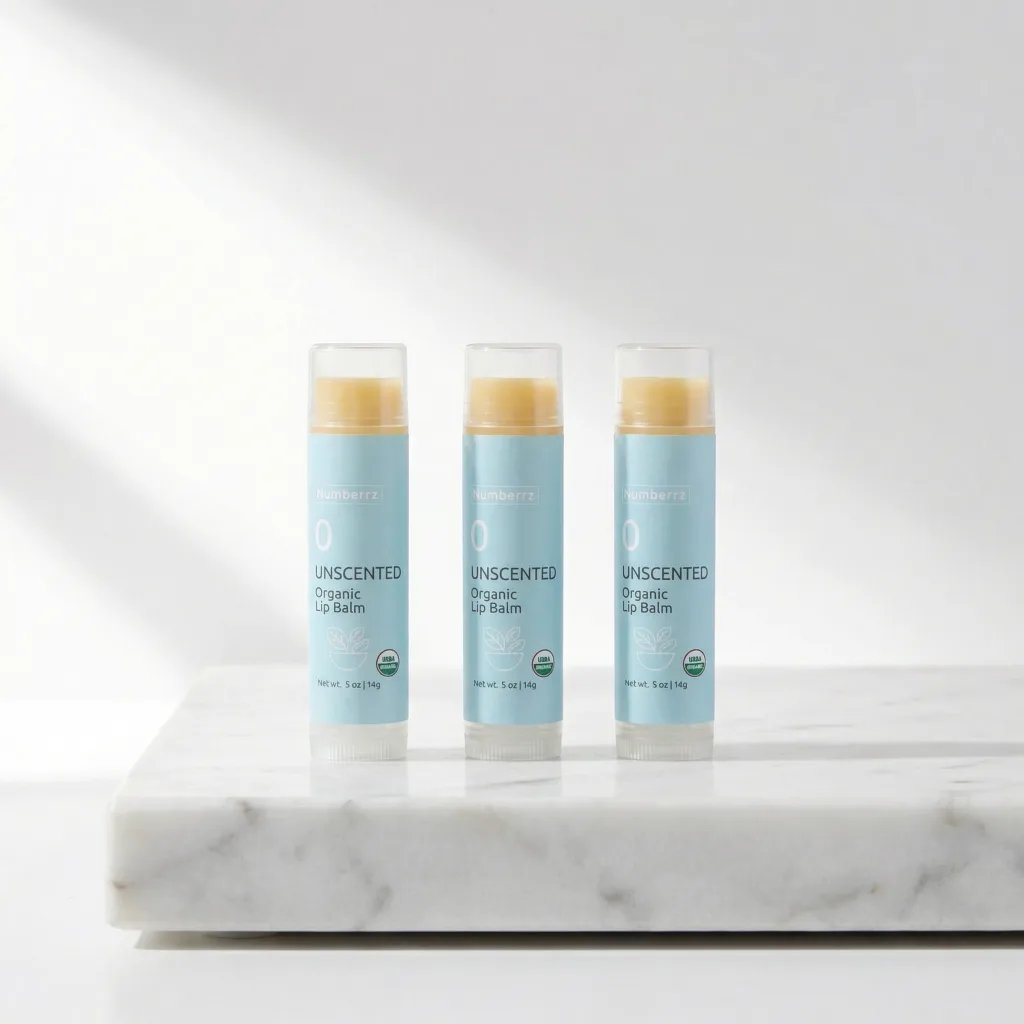
Numbrrrz
Organic Lip Balm
Blistex Medicated Lip Ointment
Blistex
Numbrrrz
Organic Lip Balm
Blistex Medicated Lip Balm SPF 15
Blistex
Numbrrrz
Organic Lip Balm
Blistex DCT (Daily Conditioning Treatment)
Blistex
Numbrrrz
Organic Lip Balm
ChapStick Classic Cherry
ChapStick
Numbrrrz
Organic Lip Balm
ChapStick Classic Strawberry
ChapStick
Numbrrrz
Organic Lip Balm
Carmex Classic Lip Balm
Carmex
Numbrrrz
Organic Lip Balm
Carmex Healing Lip Balm
Carmex
Numbrrrz
Organic Lip Balm
Showing 8 of 51 products in this category.
Lip Balm Brands
ChapStick
Richmond, Virginia
Safety Score: 2.8/10
Carmex
Milwaukee, Wisconsin
Safety Score: 3.2/10
Burt's Bees
Durham, North Carolina
Safety Score: 7.6/10
EOS
New York, New York
Safety Score: 7/10
Vaseline
London, United Kingdom
Safety Score: 4/10
Blistex
Oak Brook, Illinois
Safety Score: 3/10
NIVEA
Hamburg, Germany
Safety Score: 5.8/10
Sun Bum
Cocoa Beach, Florida
Safety Score: 5.8/10
Jack Black
Dallas, Texas
Safety Score: 4/10
Aquaphor
Hamburg, Germany
Safety Score: 5.6/10
Glossier
New York, New York
Safety Score: 5.2/10