Full breakdown.
NIVEA
NIVEA is a global skincare brand owned by Beiersdorf AG, a German personal care company founded in 1882. The NIVEA brand itself launched in 1911 with its iconic blue-tin moisturizing cream. NIVEA's lip care line includes balms, butters, and tinted products sold extensively worldwide. Many NIVEA lip products use petroleum-derived ingredients like mineral oil and petrolatum as their primary moisturizers, along with synthetic preservatives like BHT and synthetic fragrances. As one of the world's most widely distributed personal care brands, NIVEA's ingredient choices influence the daily routines of hundreds of millions of consumers across over 200 countries.
Products Analyzed
Flagged Ingredients Found
Who Owns NIVEA?
Big Corp SubsidiaryParent Company
Beiersdorf AG(BEI.DE)
Parent Industry
Personal Care & Adhesives
Parent Revenue
Approximately $9.5 billion (2024)
Also Makes
NIVEA is the flagship brand of Beiersdorf AG, a German multinational founded in 1882. Beiersdorf is publicly traded on the Frankfurt Stock Exchange and also manufactures industrial adhesive tapes under the tesa brand.
Corporate ownership does not automatically mean a product is unsafe. It means ingredient and sourcing decisions are influenced by a parent company whose primary business is personal care & adhesives. Consumers deserve to know who profits from their purchases.
Products by NIVEA.
NIVEA Essential Lip Care
NIVEA
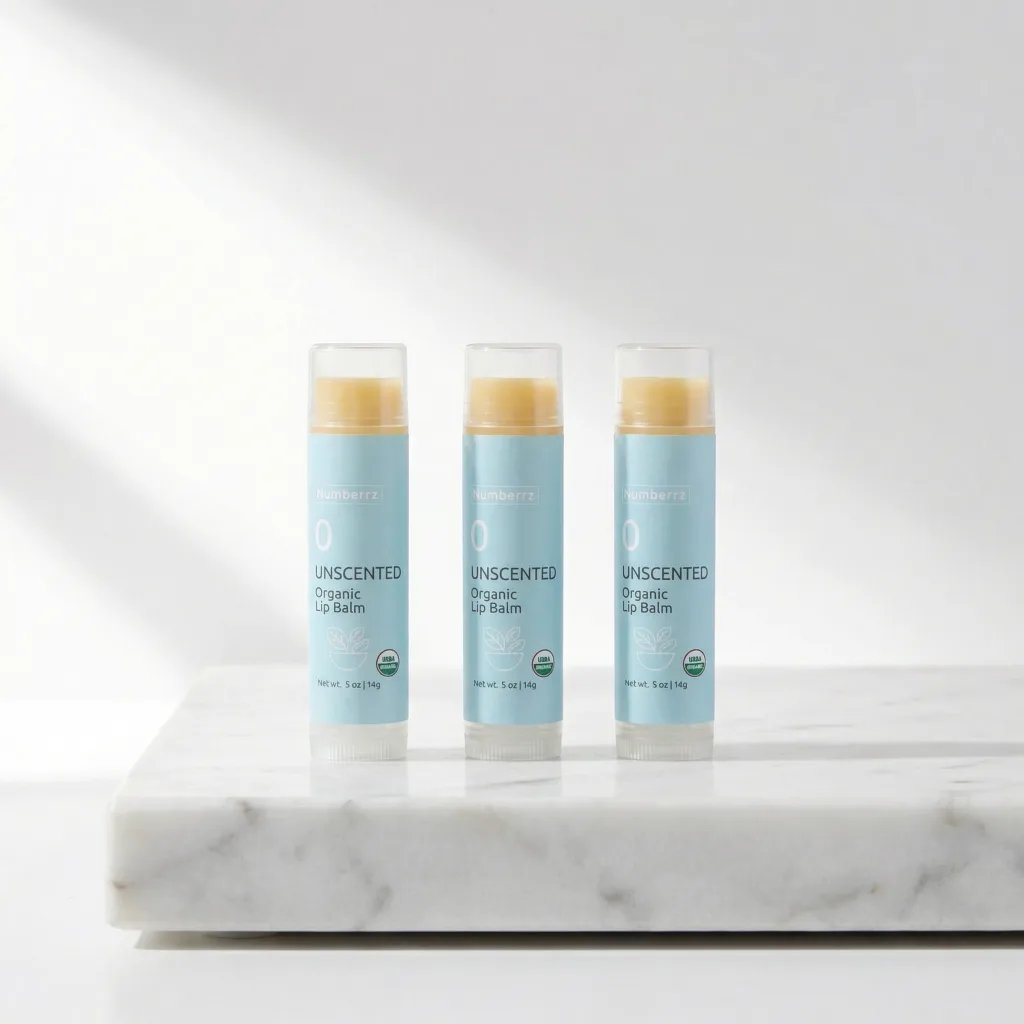
Numbrrrz
Organic Lip Balm
NIVEA A Kiss of Moisture
NIVEA
Numbrrrz
Organic Lip Balm
NIVEA Smoothness Lip Care SPF 15
NIVEA
Numbrrrz
Organic Lip Balm
NIVEA Men Active Care
NIVEA
Numbrrrz
Organic Lip Balm
NIVEA Cherry Shine
NIVEA
Numbrrrz
Organic Lip Balm
Get Your Free Ingredient Safety Report
Enter your email and we'll send you a personalized breakdown of the most common harmful ingredients in your daily products.
Ingredients of concern.
6 different ingredients of concern across NIVEA’s product line. Each links to a full safety analysis.