Phenoxyethanol.
Also known as: 2-phenoxyethanol, ethylene glycol monophenyl ether
A glycol ether used as a preservative in cosmetics, often marketed as a 'safer' alternative to parabens. At regulated concentrations (up to 1%), it is generally well tolerated, but higher concentrations can cause irritation and are toxic to infants.
By the numbers.
1 = low concern, 10 = avoid.
Risk by usage.
How risk shifts depending on how often you use products with Phenoxyethanol.
Generally safe at concentrations of 1% or below.
Acceptable for most adults at proper concentrations; monitor for sensitivity.
Cumulative exposure from many products may cause irritation in sensitive skin types.
What the research says.
Can cause skin irritation and eczema flare-ups in sensitive individuals at higher concentrations.
Toxic to infants; the FDA issued a warning about its use in a nipple cream product.
FDA Safety Alert, 2008 — Mommy's Bliss nipple cream recall
Global status.
How phenoxyethanol is regulated in cosmetics around the world.
64% of countries with data ban or restrict this ingredient
Details
Max 1.0% as preservative (Annex V, entry 29).
Details
Max 1.0% as preservative, mirroring EU.
Details
Max 1.0% under MHLW positive list.
Details
Max 1.0% as preservative.
Details
Max 1.0% per Safety Technical Standards.
Details
Max 1.0% per ANVISA.
Details
Max 1.0%, harmonized with EU.
The reason brands include it.
Broad-spectrum preservative effective against gram-negative bacteria; popular paraben-free alternative in clean beauty formulations.
65
products in our database
20
brands use it
3
product categories
Better alternatives exist. Brands choose phenoxyethanol because it’s cheap and effective, but safer options like tocopherol (vitamin E), rosemary extract, neem oil deliver similar results without the health concerns.
Phenoxyethanol in product types.
Click a category to see every product containing phenoxyethanol.
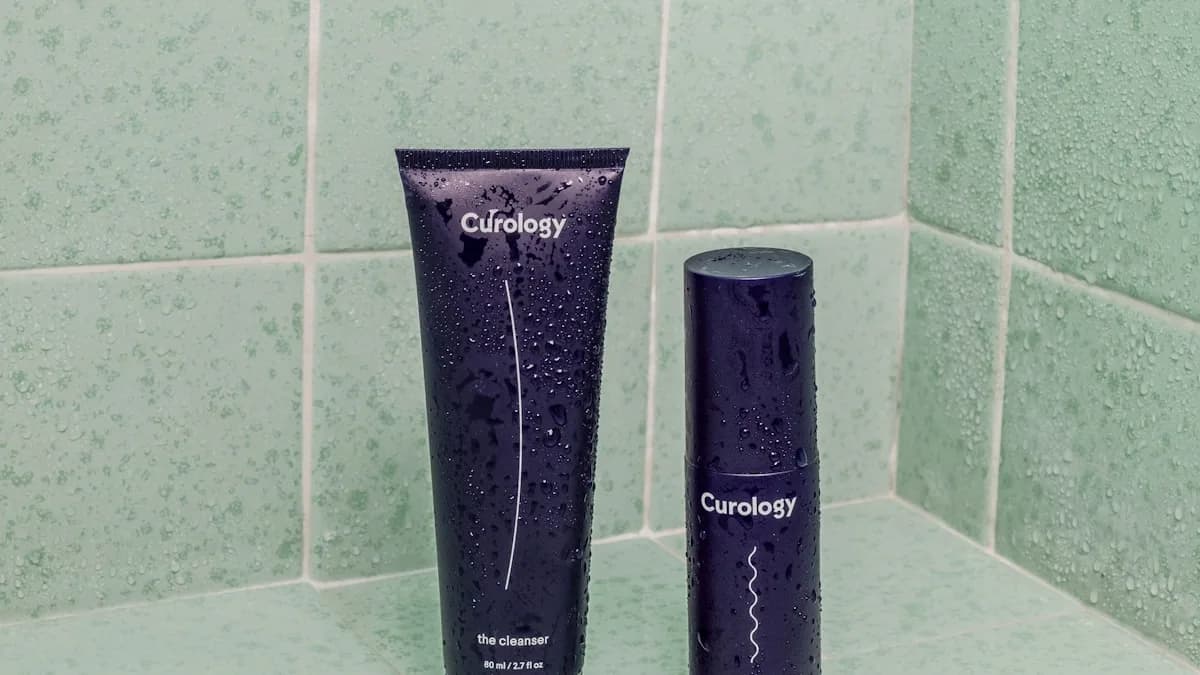
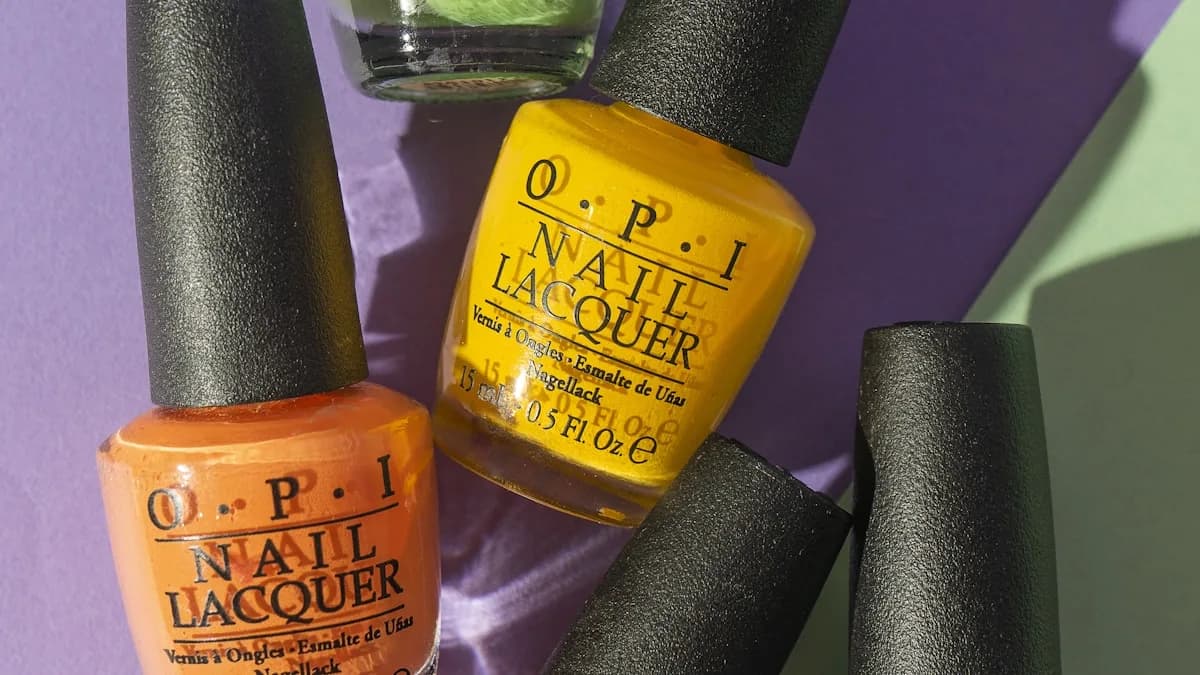
Products Containing Phenoxyethanol
These popular products list phenoxyethanol in their ingredient labels. Tap any card to see the full breakdown.
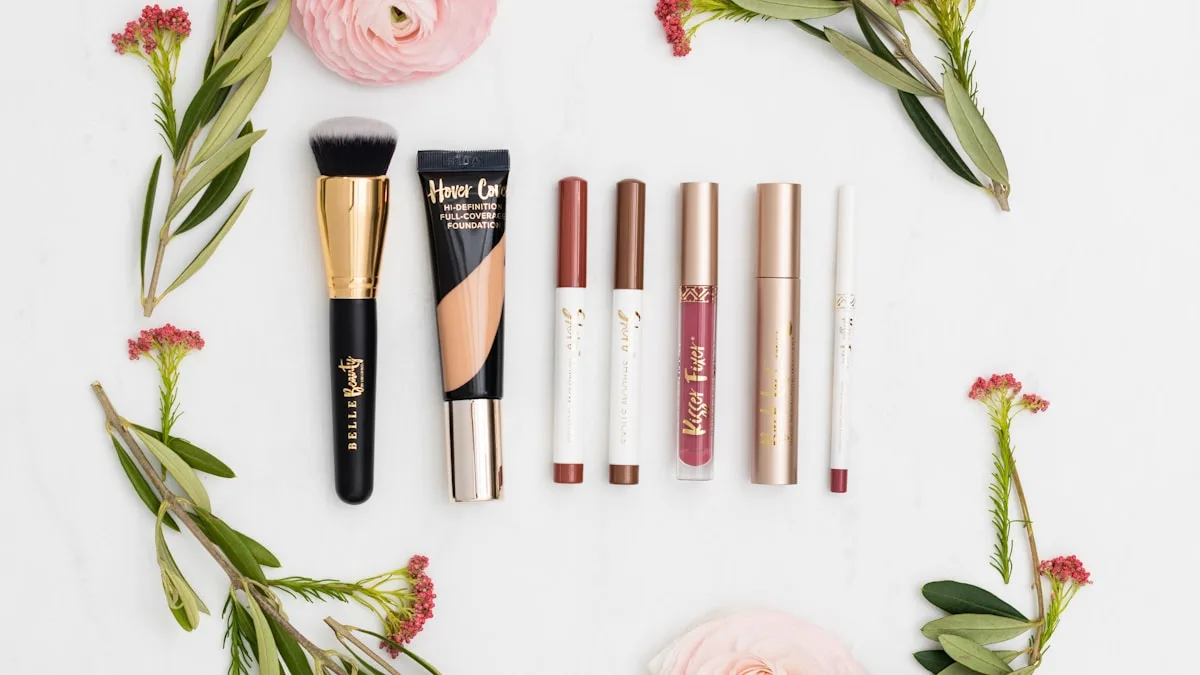
And 53 more products in our database.
Compared to Numbrrrz.
Here’s how the lowest-scoring product containing phenoxyethanol compares.

Coppertone Ultra Guard SPF 70
Coppertone
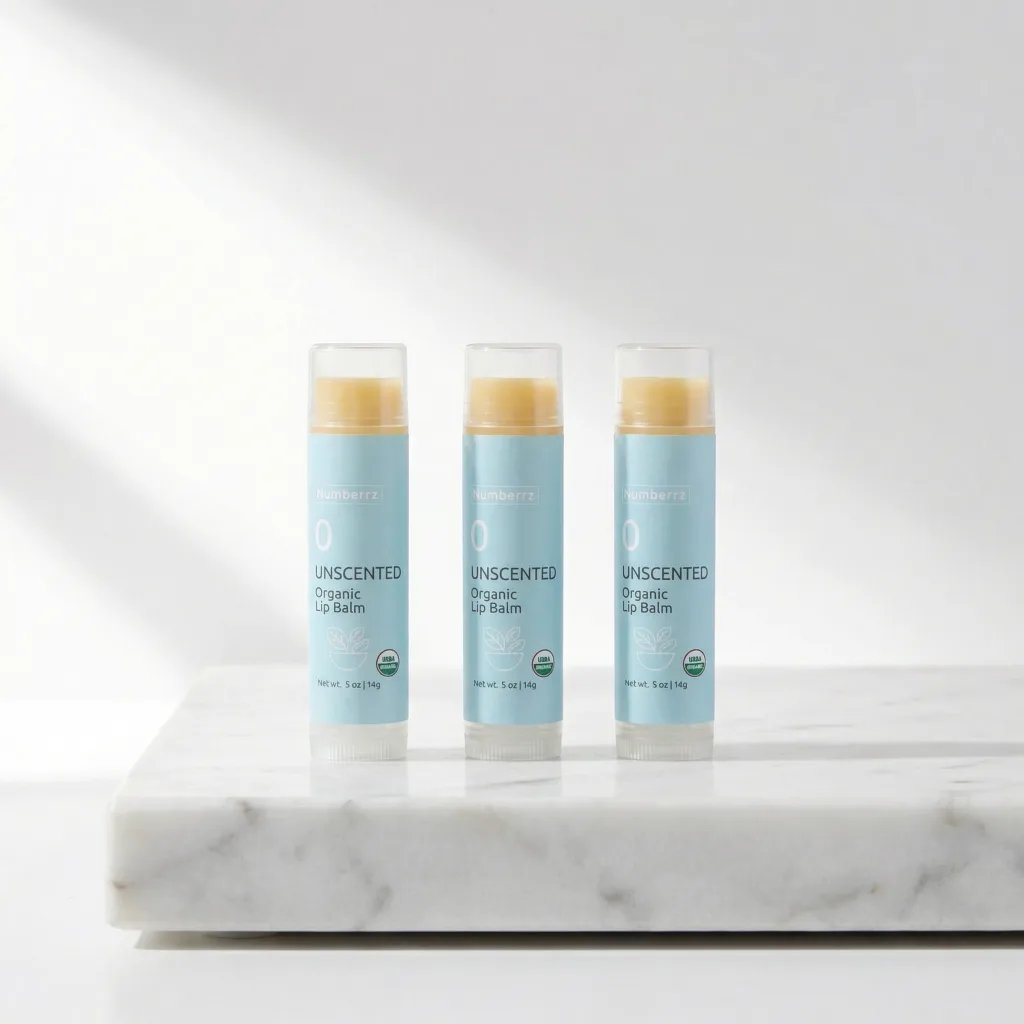
Numbrrrz
Organic Lip Balm
Get Your Free Ingredient Safety Report
Enter your email and we'll send you a personalized breakdown of the most common harmful ingredients in your daily products.
What to use instead.
What Numbrrrz uses instead
Numbrrrz uses Vitamin E as a natural antioxidant preservative — our simple oil-and-wax formula needs no synthetic preservatives like phenoxyethanol.
Quick answers.
Is phenoxyethanol safer than parabens?
Why is phenoxyethanol restricted to 1% in Europe?
Is phenoxyethanol safe for babies?
Is phenoxyethanol natural or synthetic?
Can phenoxyethanol cause eczema?
Does Numbrrrz use phenoxyethanol?
How these brands stack up.
Brands that use phenoxyethanol — see how they compare.