Parabens.
Also known as: methylparaben, ethylparaben, propylparaben, butylparaben, isobutylparaben
A class of synthetic preservatives used to prevent microbial growth in cosmetics and personal care products. Parabens can mimic estrogen in the body, raising concerns about endocrine disruption and links to breast cancer.
By the numbers.
1 = low concern, 10 = avoid.
Risk by usage.
How risk shifts depending on how often you use products with Parabens.
Low-level exposure from a single product is within current safety margins.
Daily use contributes to cumulative estrogenic load, especially concerning for lip products that are ingested.
Multiple paraben-containing products compound endocrine disruption risk. Avoid entirely.
What the research says.
Endocrine disruptors that mimic estrogen and may interfere with hormonal function.
Darbre et al., Journal of Applied Toxicology, 2004 — parabens detected in breast tumor tissue
Associated with reproductive toxicity and reduced fertility in animal studies.
Environmental Health Perspectives, 2012
May contribute to premature skin aging when combined with UV exposure.
Toxicology, 2005 — UV-paraben interaction study
Allergic contact dermatitis reported in sensitive individuals.
Global status.
How parabens is regulated in cosmetics around the world.
82% of countries with data ban or restrict this ingredient
Details
Methyl/ethylparaben max 0.4% single or 0.8% mixed; propyl/butylparaben max 0.14%; isopropyl/isobutyl/phenyl/benzyl/pentylparaben banned.
Details
Mirrors EU; methyl/ethylparaben max 0.4%; propyl/butylparaben max 0.14%.
Details
Hotlist restricts individual parabens to specific concentrations.
Details
Positive-list preservative with max 1.0% total.
Details
Propyl/butylparaben restricted to 0.14%, aligned with EU.
Details
Methyl/ethylparaben max 0.4%; propyl/butylparaben max 0.14%.
Details
ANVISA limits propyl/butylparaben to 0.14%.
Details
BIS standards permit parabens with concentration limits.
Details
Propyl/butylparaben max 0.14%, harmonized with EU.
The reason brands include it.
Cheap, broad-spectrum preservatives that effectively extend product shelf life and prevent bacterial and fungal contamination.
13
products in our database
7
brands use it
5
product categories
Better alternatives exist. Brands choose parabens because it’s cheap and effective, but safer options like tocopherol (vitamin E), rosemary extract, grapefruit seed extract deliver similar results without the health concerns.
Parabens in product types.
Click a category to see every product containing parabens.
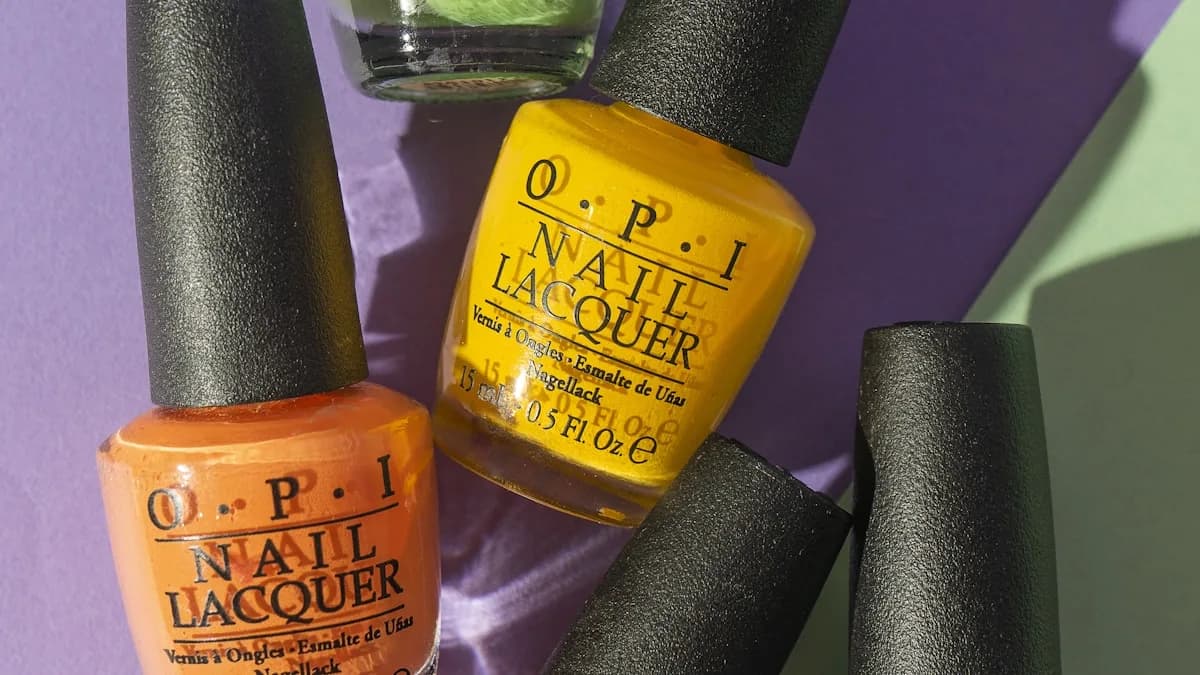
Products Containing Parabens
These popular products list parabens in their ingredient labels. Tap any card to see the full breakdown.
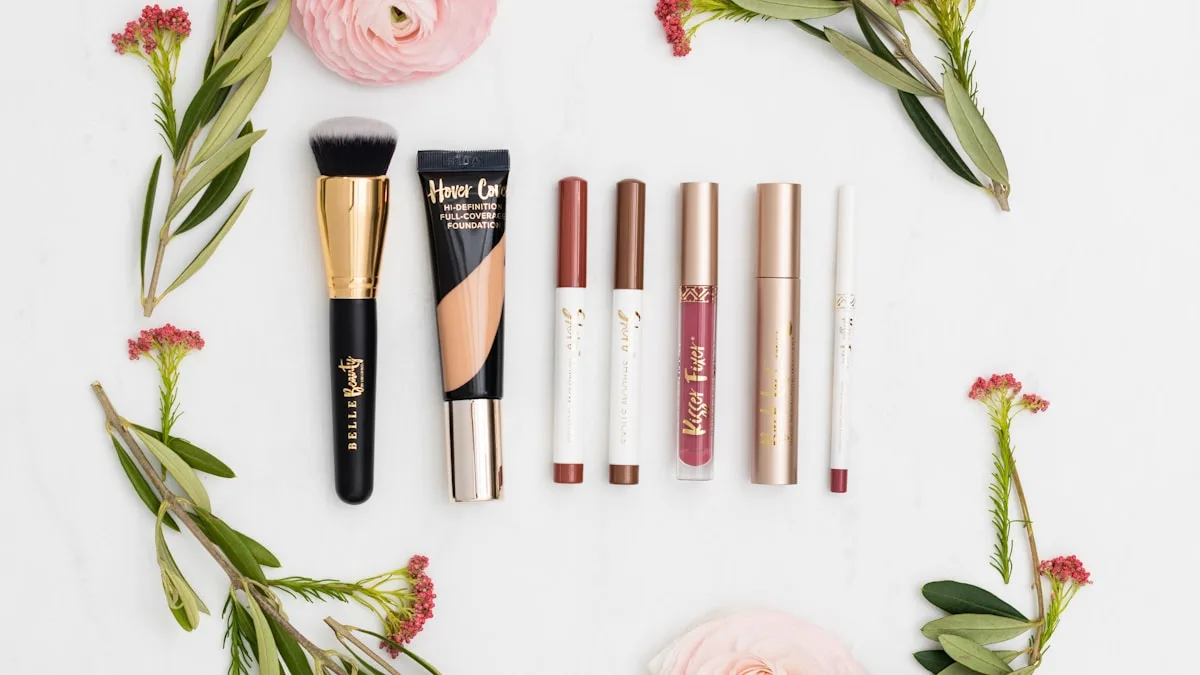
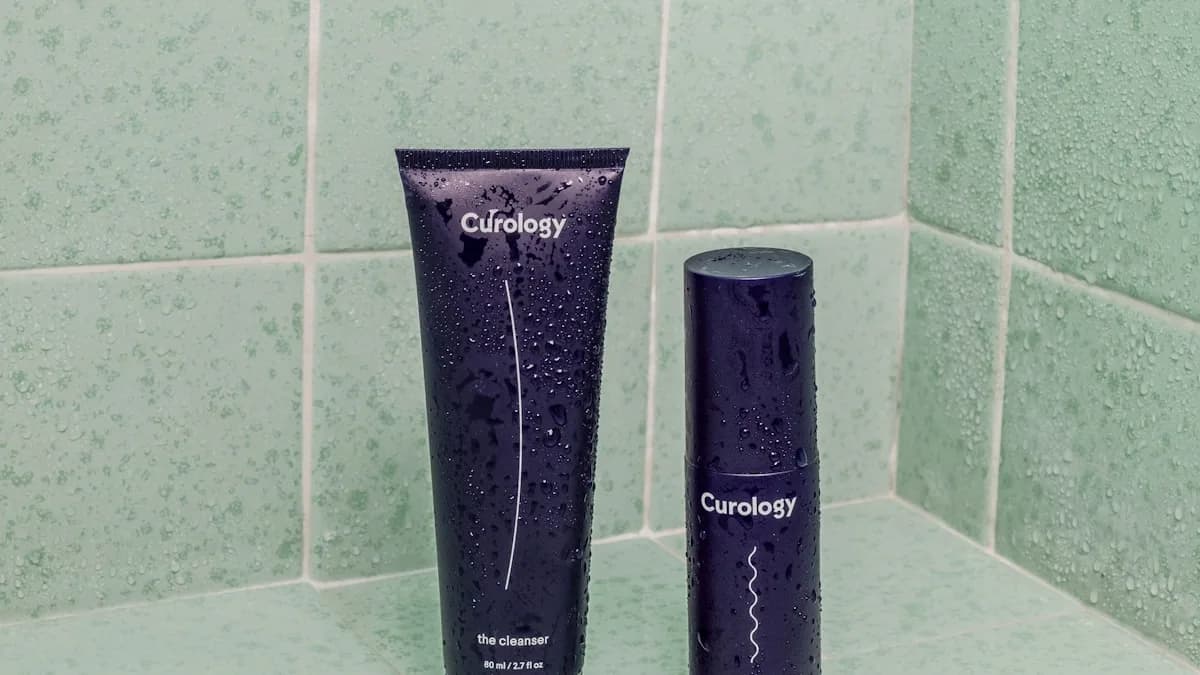

And 1 more product in our database.
Compared to Numbrrrz.
Here’s how the lowest-scoring product containing parabens compares.
Blistex Medicated Lip Ointment
Blistex
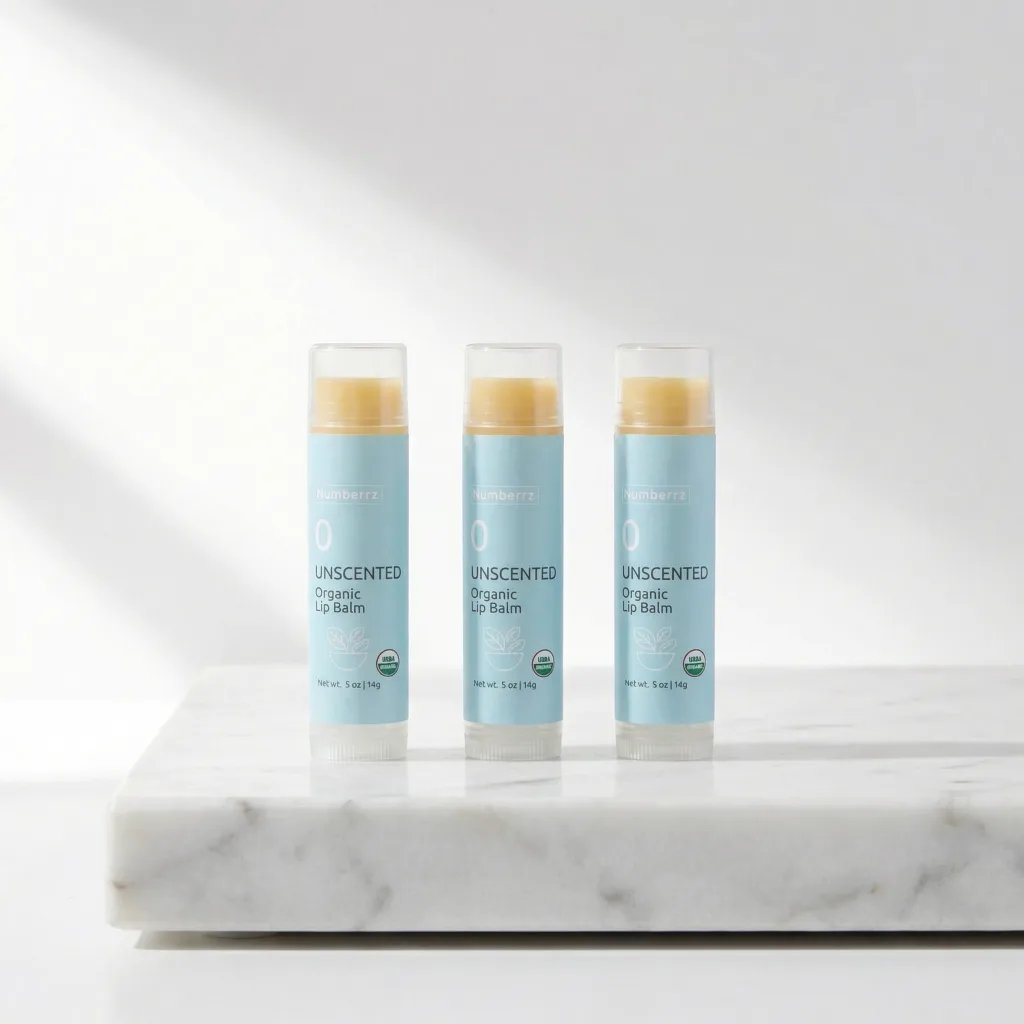
Numbrrrz
Organic Lip Balm
Get Your Free Ingredient Safety Report
Enter your email and we'll send you a personalized breakdown of the most common harmful ingredients in your daily products.
What to use instead.
What Numbrrrz uses instead
Numbrrrz products are 100% paraben-free, preserved naturally with Vitamin E (tocopherol) — no synthetic preservatives needed.
Quick answers.
Are parabens really that dangerous?
How can I tell if a product contains parabens?
Are parabens banned in Europe?
Can parabens cause breast cancer?
Do parabens affect male fertility?
Does Numbrrrz use parabens?
How these brands stack up.
Brands that use parabens — see how they compare.