Artificial Colors.
Also known as: FD&C dyes, D&C dyes, CI numbers, coal tar dyes, synthetic colorants, Red 40, Yellow 5, Blue 1
Synthetic dyes derived from petroleum or coal tar, used to give cosmetics vivid colors. Many are contaminated with heavy metals and have been linked to behavioral issues, allergies, and potential carcinogenicity.
By the numbers.
1 = low concern, 10 = avoid.
Risk by usage.
How risk shifts depending on how often you use products with Artificial Colors.
Low concern from occasional lipstick or cosmetic use.
Daily lip product use means regular ingestion of synthetic dyes. Choose products with mineral or plant-based pigments.
Significant cumulative ingestion risk from lip products. Heavy metal contamination is the primary concern.
What the research says.
Coal tar-derived dyes may be contaminated with heavy metals like lead, arsenic, and mercury.
FDA surveys of color additives — heavy metal impurity limits
Linked to hyperactivity in children and behavioral issues when ingested.
The Lancet, 2007 — Southampton study on food dyes and hyperactivity
Some D&C dyes (e.g., D&C Red 33, FD&C Yellow 5) are known allergens and skin sensitizers.
Global status.
How artificial colors is regulated in cosmetics around the world.
100% of countries with data ban or restrict this ingredient
Details
All color additives must be FDA-approved; some require batch certification.
Details
Only colorants listed in Annex IV permitted; restrictions by product area.
Details
Only Annex IV-approved colorants permitted.
Details
Only permitted colors on the approved list may be used.
Details
Only MHLW-approved tar colors permitted; strict positive list.
Details
Only MFDS-approved colorants permitted.
Details
Must comply with approved lists.
Details
Only approved positive list colorants per Safety Technical Standards.
Details
Only ANVISA-approved colorants permitted.
Details
Only BIS-approved colors permitted.
Details
Only ASEAN positive list colorants permitted, harmonized with EU.
The reason brands include it.
Produce intense, consistent, and long-lasting colors at low cost. Natural colorants are harder to stabilize and achieve the same vibrancy.
55
products in our database
17
brands use it
3
product categories
Better alternatives exist. Brands choose artificial colors because it’s cheap and effective, but safer options like iron oxides, mica, titanium dioxide deliver similar results without the health concerns.
Artificial Colors in product types.
Click a category to see every product containing artificial colors.
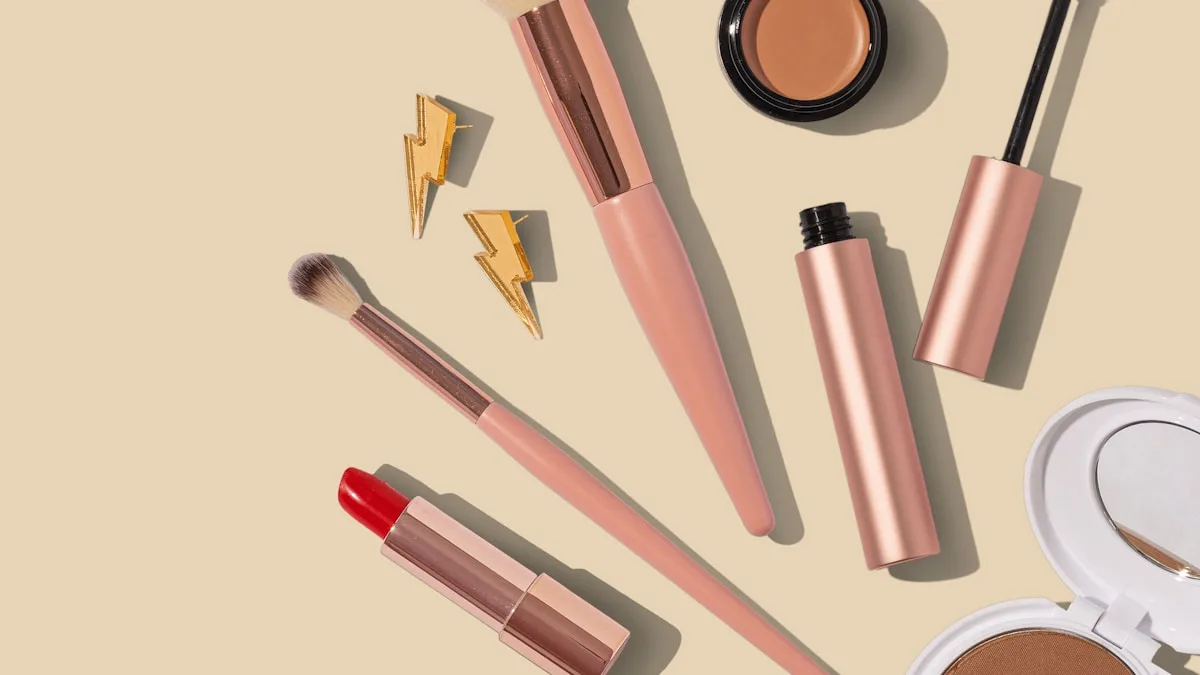
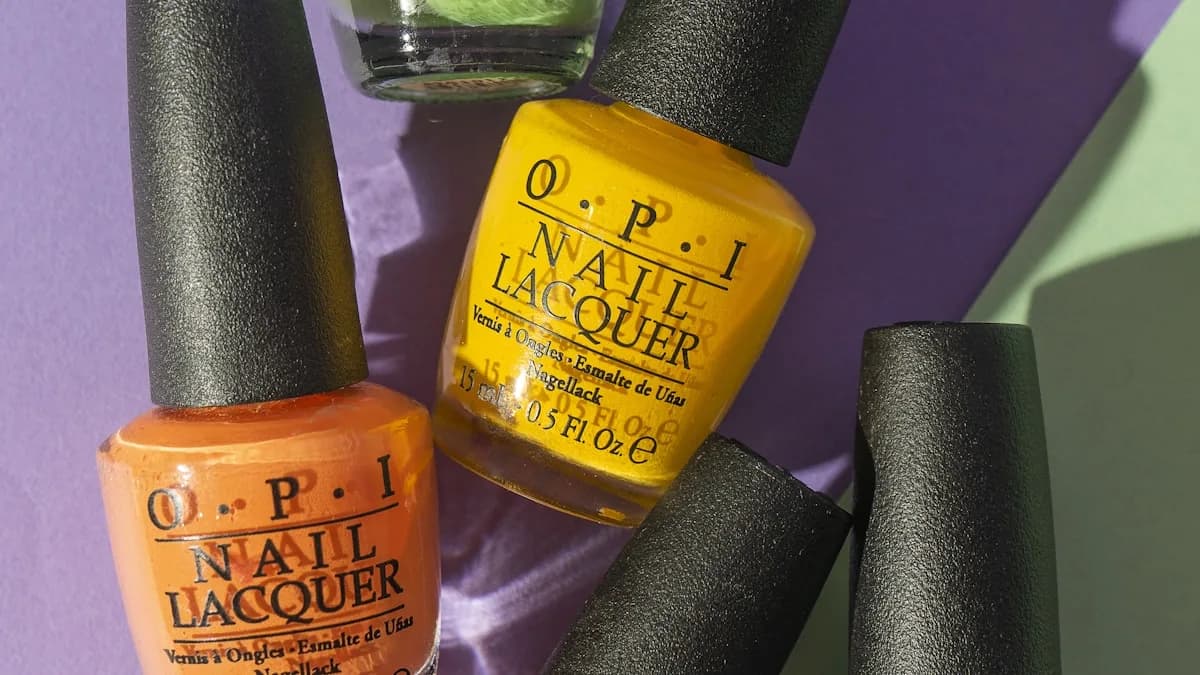
Products Containing Artificial Colors
These popular products list artificial colors in their ingredient labels. Tap any card to see the full breakdown.
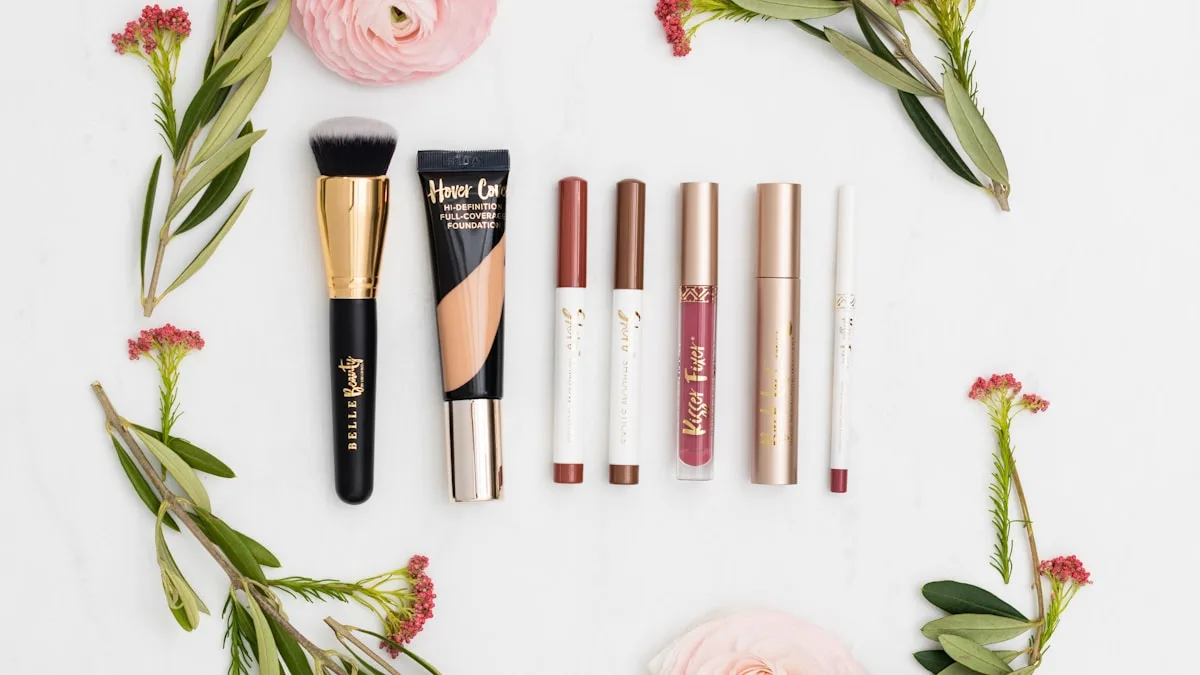
And 43 more products in our database.
Compared to Numbrrrz.
Here’s how the lowest-scoring product containing artificial colors compares.
Carmex Cherry Lip Balm
Carmex
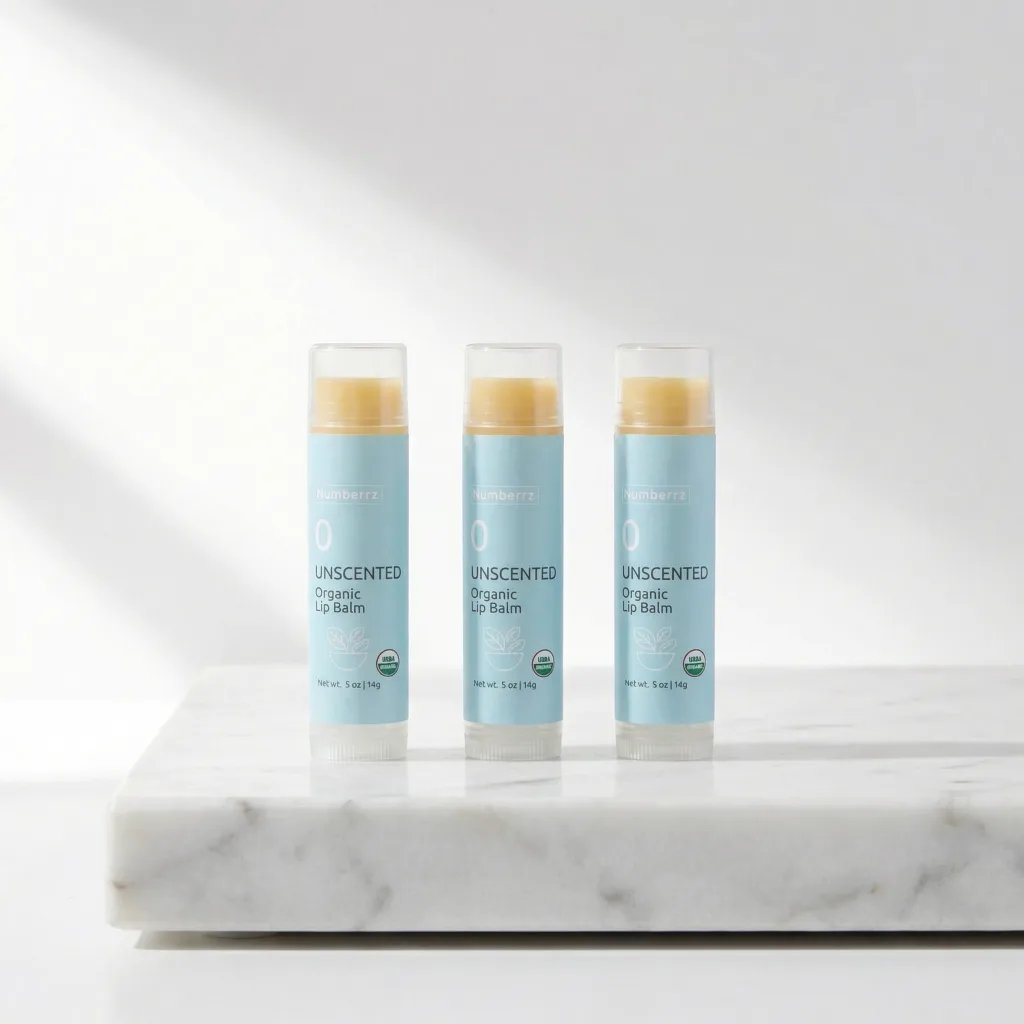
Numbrrrz
Organic Lip Balm
Get Your Free Ingredient Safety Report
Enter your email and we'll send you a personalized breakdown of the most common harmful ingredients in your daily products.
What to use instead.
What Numbrrrz uses instead
Numbrrrz lip balms contain no artificial colors or synthetic dyes. Our simple four-ingredient formula delivers natural lip care without coal tar derivatives or heavy metal contamination.
Quick answers.
Are artificial colors in lipstick safe to ingest?
What are safer alternatives to FD&C dyes?
Are artificial colors banned in Europe?
Do artificial colors contain heavy metals?
What are coal tar dyes?
Does Numbrrrz use artificial colors?
How these brands stack up.
Brands that use artificial colors — see how they compare.