Polyethylene Glycol (PEG Compounds).
Also known as: PEG-4, PEG-8, PEG-20, PEG-100, polyethylene oxide, any ingredient starting with PEG-
A family of petroleum-derived compounds used as emulsifiers, thickeners, solvents, and penetration enhancers. PEGs themselves are relatively low-toxicity, but they are frequently contaminated with ethylene oxide (a known carcinogen) and 1,4-dioxane.
By the numbers.
1 = low concern, 10 = avoid.
Risk by usage.
How risk shifts depending on how often you use products with Polyethylene Glycol (PEG Compounds).
Low risk from incidental exposure.
Daily exposure to trace carcinogens from contaminated PEGs is a cumulative concern.
Multiple PEG-containing products increase cumulative carcinogen exposure. Choose PEG-free alternatives.
What the research says.
Frequently contaminated with ethylene oxide, a known human carcinogen (IARC Group 1).
IARC Monographs — Ethylene oxide
Often contain 1,4-dioxane, a probable human carcinogen, as a manufacturing byproduct.
EPA — 1,4-dioxane classified as likely to be carcinogenic to humans
Function as penetration enhancers, increasing skin absorption of other ingredients including contaminants.
Global status.
How polyethylene glycol (peg compounds) is regulated in cosmetics around the world.
9% of countries with data ban or restrict this ingredient
Details
Must not be used on damaged/irritated skin; purity standards for 1,4-dioxane apply.
The reason brands include it.
Versatile ingredients that help blend oil and water, improve product texture, and enhance delivery of active ingredients into the skin.
36
products in our database
17
brands use it
4
product categories
Better alternatives exist. Brands choose polyethylene glycol (peg compounds) because it’s cheap and effective, but safer options like vegetable-derived emulsifiers (cetearyl olivate), beeswax, lecithin deliver similar results without the health concerns.
Polyethylene Glycol (PEG Compounds) in product types.
Click a category to see every product containing polyethylene glycol (peg compounds).
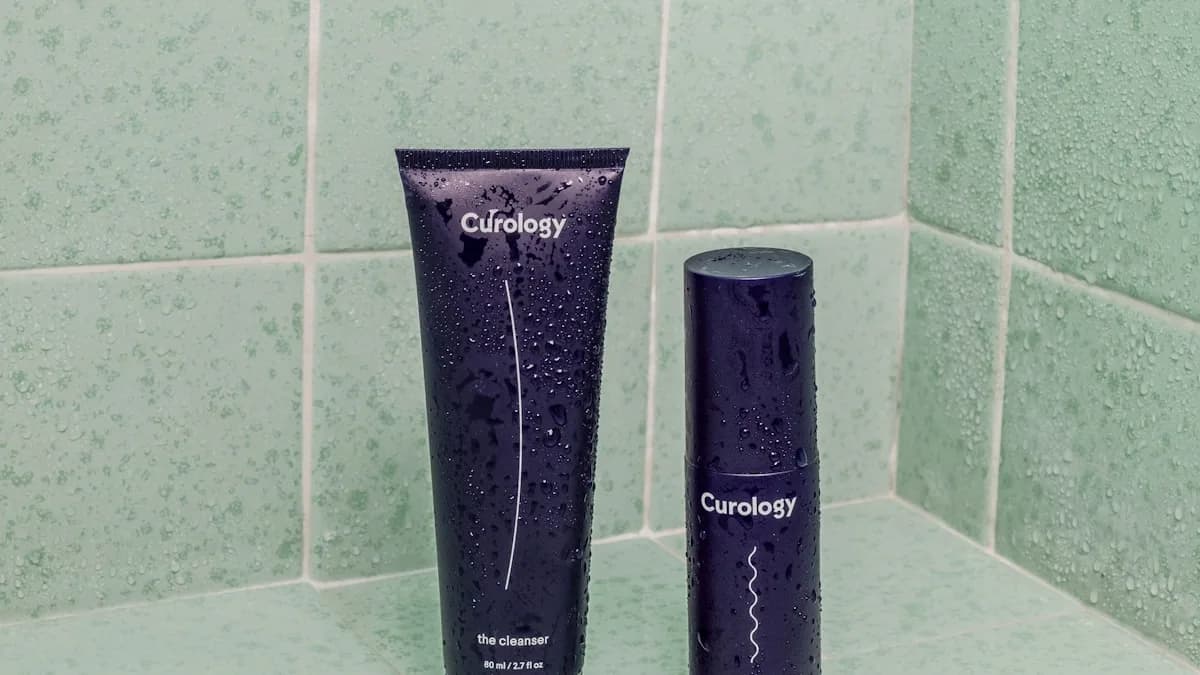

Products Containing Polyethylene Glycol (PEG Compounds)
These popular products list polyethylene glycol (peg compounds) in their ingredient labels. Tap any card to see the full breakdown.
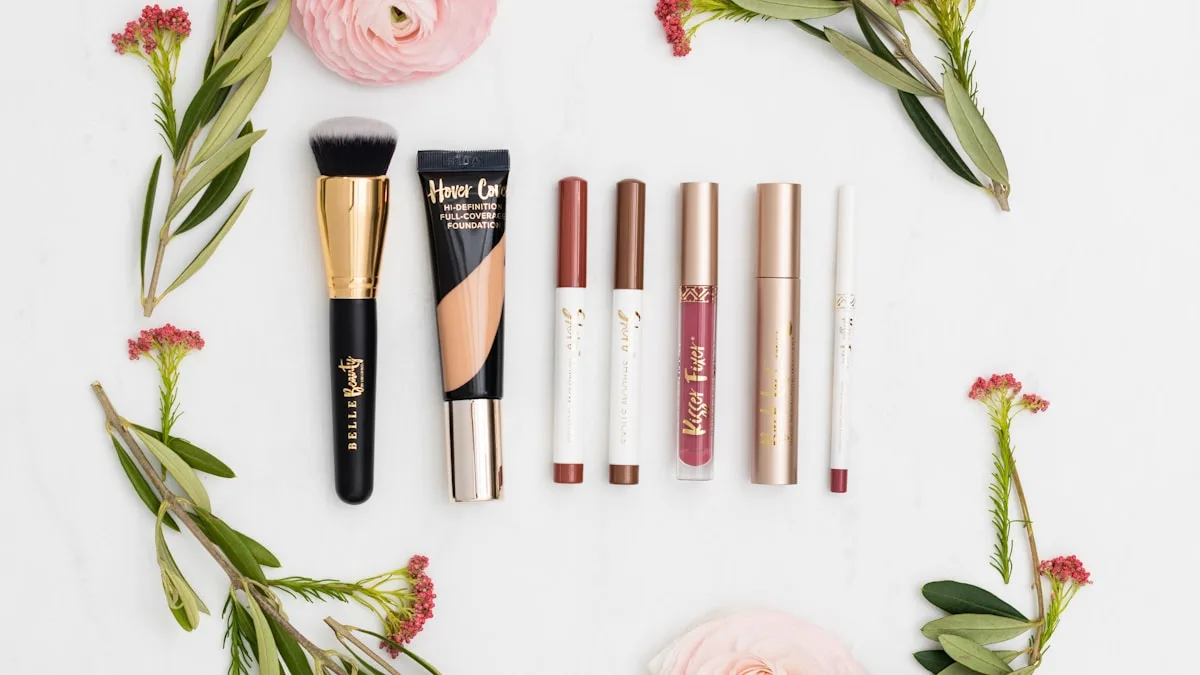
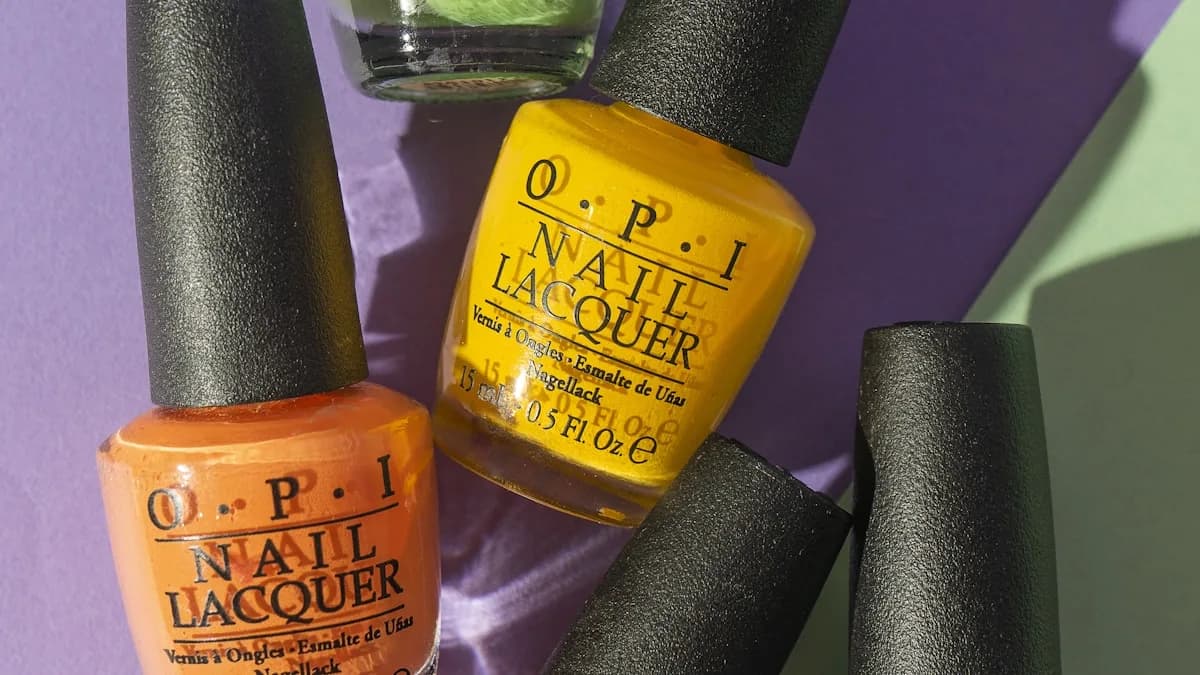

And 24 more products in our database.
Compared to Numbrrrz.
Here’s how the lowest-scoring product containing polyethylene glycol (peg compounds) compares.
Blistex Medicated Lip Ointment
Blistex
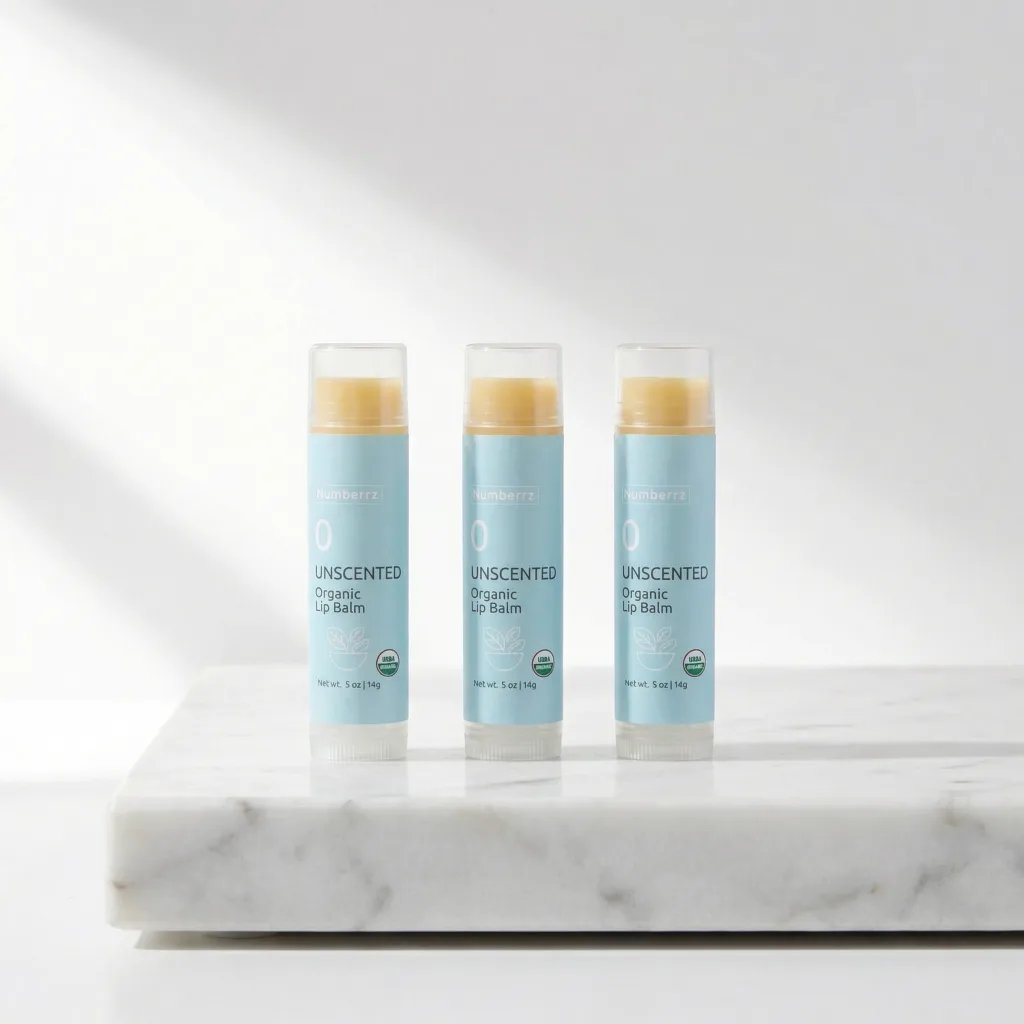
Numbrrrz
Organic Lip Balm
Get Your Free Ingredient Safety Report
Enter your email and we'll send you a personalized breakdown of the most common harmful ingredients in your daily products.
What to use instead.
What Numbrrrz uses instead
Numbrrrz uses Organic Beeswax as a natural emulsifier and structural agent — no PEG compounds or their carcinogenic contaminants needed in our simple formula.
Quick answers.
How can I spot PEG compounds on an ingredient label?
Are PEGs themselves toxic, or just the contaminants?
What is 1,4-dioxane and why is it in PEG compounds?
Are PEG compounds banned in Europe?
Do PEGs enhance penetration of other ingredients?
Does Numbrrrz use PEG compounds?
How these brands stack up.
Brands that use polyethylene glycol (peg compounds) — see how they compare.