Salicylic Acid.
Also known as: beta hydroxy acid, BHA (exfoliant), 2-hydroxybenzoic acid, willow bark extract (when standardized)
A beta hydroxy acid (BHA) used for its exfoliating and anti-acne properties. Beneficial in targeted skincare, but problematic in lip products where it thins the already-delicate lip barrier.
By the numbers.
1 = low concern, 10 = avoid.
Risk by usage.
How risk shifts depending on how often you use products with Salicylic Acid.
Useful for targeted acne treatment on face; avoid on lips entirely.
Daily use on lips causes chronic barrier disruption and dryness.
Excessive exfoliation leads to raw, irritated lips. Not suitable for frequent lip product use.
What the research says.
Thins the lip barrier and causes dryness, peeling, and increased sensitivity when used in lip products.
Can cause chemical burns and irritation at higher concentrations, especially on sensitive facial skin.
Salicylate sensitivity can trigger reactions in aspirin-allergic individuals.
Contact Dermatitis, 2004 — salicylate cross-reactivity study
Global status.
How salicylic acid is regulated in cosmetics around the world.
100% of countries with data ban or restrict this ingredient
Details
Above 0.5-2% regulated as OTC acne drug by FDA.
Details
Max 0.5% as preservative (Annex V); up to 2-3% in other uses (Annex III); not for children under 3.
Details
Mirrors EU; max 0.5% as preservative.
Details
Limited in cosmetics; higher concentrations classified as drug.
Details
Permitted with limits; higher concentrations regulated as quasi-drug.
Details
Permitted as preservative and functional ingredient with limits.
Details
Higher concentrations scheduled as drug.
Details
Max 0.5% as preservative per Safety Technical Standards.
Details
Max 0.5% as preservative per ANVISA.
Details
Higher concentrations treated as drug under rules.
Details
Max 0.5% as preservative; restricted for children under 3, aligned with EU.
The reason brands include it.
Exfoliates dead skin cells, unclogs pores, and reduces inflammation. Commonly used in acne treatments and medicated lip products.
3
products in our database
1
brands use it
2
product categories
Better alternatives exist. Brands choose salicylic acid because it’s cheap and effective, but safer options like willow bark extract (gentler, un-standardized), bakuchiol, niacinamide deliver similar results without the health concerns.
Salicylic Acid in product types.
Click a category to see every product containing salicylic acid.
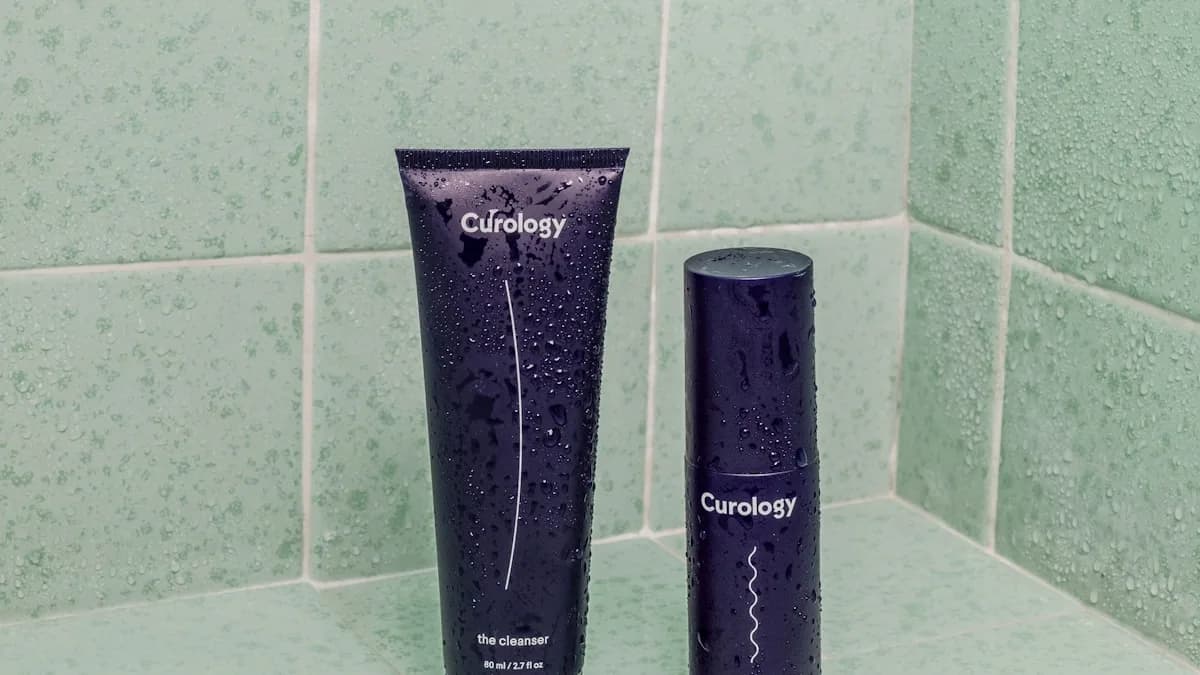
Products Containing Salicylic Acid
These popular products list salicylic acid in their ingredient labels. Tap any card to see the full breakdown.
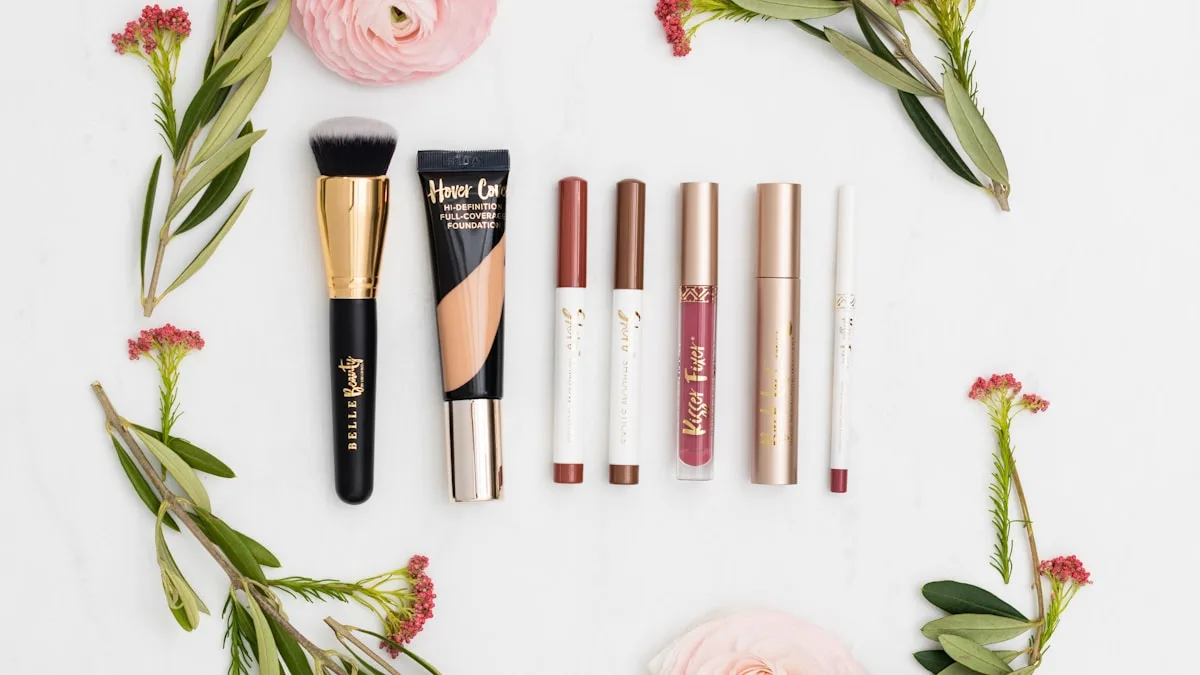
Compared to Numbrrrz.
Here’s how the lowest-scoring product containing salicylic acid compares.
Carmex Cherry Lip Balm
Carmex
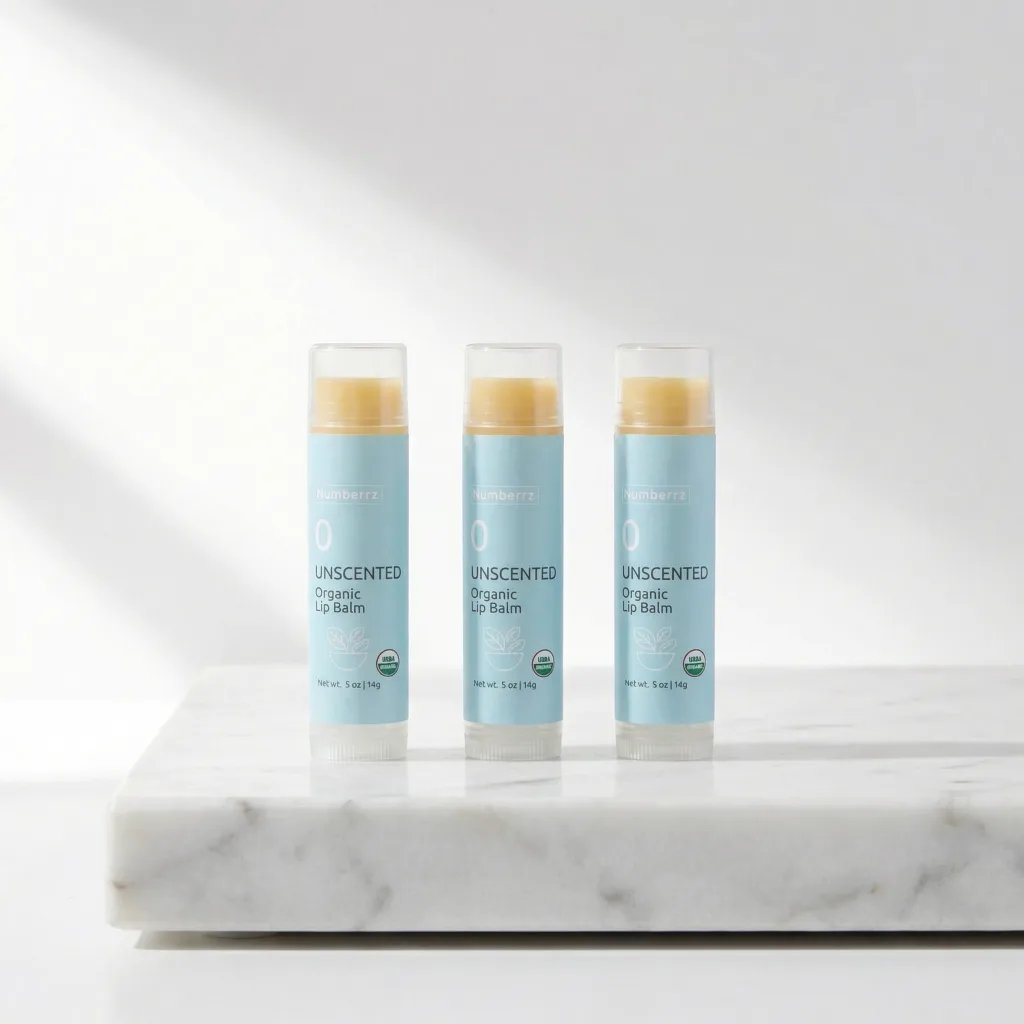
Numbrrrz
Organic Lip Balm
Get Your Free Ingredient Safety Report
Enter your email and we'll send you a personalized breakdown of the most common harmful ingredients in your daily products.
What to use instead.
What Numbrrrz uses instead
Numbrrrz lip products focus on hydration and barrier support, not exfoliation. Our Organic Coconut Oil, Organic Jojoba Oil, and Organic Beeswax nourish the lip barrier rather than stripping it.
Quick answers.
Is salicylic acid good for lips?
Is salicylic acid the same as BHA?
Can salicylic acid cause chemical burns on lips?
Is salicylic acid safe if you're allergic to aspirin?
Why is salicylic acid in some lip balms?
Does Numbrrrz contain salicylic acid?
How these brands stack up.
Brands that use salicylic acid — see how they compare.