Full breakdown.
EOS
EOS (Evolution of Smooth) launched in 2009 and quickly became one of the best-selling lip balm brands in the United States, largely due to its distinctive spherical packaging and social media-friendly branding. The brand markets itself as using natural and organic ingredients, and some of its products are USDA Organic certified. However, EOS faced a class-action lawsuit in 2016 from consumers who claimed the lip balm caused severe blistering, cracking, and rashes, raising questions about ingredient safety even in products marketed as natural. While EOS reformulated some products in response, the incident highlighted how 'natural' labeling does not always guarantee safety for all users.
Products Analyzed
Flagged Ingredients Found
Who Owns EOS?
PE / VC BackedParent Company
EOS Products, LLC
Parent Industry
Personal Care
EOS Products is a privately held company. The brand has received venture capital and private equity investment. It is not publicly traded and does not disclose its full ownership structure.
Corporate ownership does not automatically mean a product is unsafe. It means ingredient and sourcing decisions are influenced by a parent company whose primary business is personal care. Consumers deserve to know who profits from their purchases.
Products by EOS.
EOS Crystal Vanilla Orchid Lip Balm
EOS
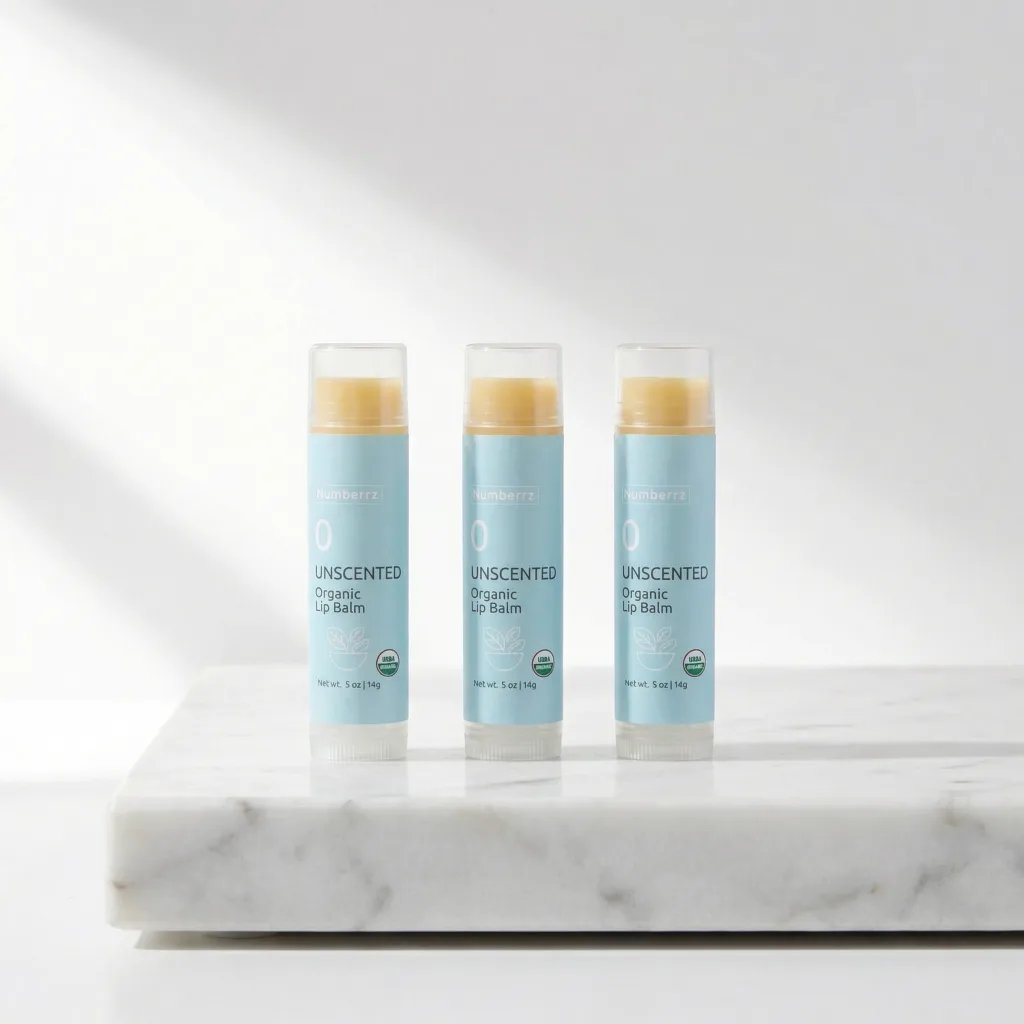
Numbrrrz
Organic Lip Balm
EOS Organic Lip Balm Honey
EOS
Numbrrrz
Organic Lip Balm
EOS Smooth Sphere Strawberry Sorbet
EOS
Numbrrrz
Organic Lip Balm
EOS Active Lip Balm SPF 30
EOS
Numbrrrz
Organic Lip Balm
EOS Shimmer Lip Balm
EOS
Numbrrrz
Organic Lip Balm
Get Your Free Ingredient Safety Report
Enter your email and we'll send you a personalized breakdown of the most common harmful ingredients in your daily products.
Ingredients of concern.
7 different ingredients of concern across EOS’s product line. Each links to a full safety analysis.