Free Shipping on Orders Over $50 | 4 Ingredients. Nothing Else.Shop Now

Ingredient Analysis

Propylene Glycol

Also known as: 1,2-propanediol, propane-1,2-diol, methyl ethyl glycol, PG

A synthetic liquid used as a humectant, solvent, and penetration enhancer in cosmetics. While considered safe at low concentrations, it is a skin irritant at higher levels and enhances absorption of other ingredients — including harmful ones.

Irritant
Hazard Score
5
Moderate Concern

1 = low concern, 10 = avoid

Risk by Usage Frequency

How risk changes depending on how often you use products containing Propylene Glycol.

1-2x per week

Low risk at typical cosmetic concentrations.

Daily use

Daily use as a penetration enhancer is concerning when paired with other harmful ingredients.

2+ times daily

Moderate concern. Cumulative irritation and enhanced penetration of co-formulated ingredients.

Health Risks

Skin irritant and sensitizer at concentrations above 2%, causing redness, itching, and contact dermatitis.

Acts as a penetration enhancer, increasing absorption of all other ingredients — including toxic ones — through the skin.

In rare cases, high-concentration exposure can cause systemic toxicity, particularly in children and those with compromised skin barrier.

Contact Dermatitis, 2005 — propylene glycol sensitization review

Global Regulatory Status

How propylene glycol is regulated in cosmetics and personal care products around the world.

Allowed in 11
🇺🇸USA
Allowed
🇪🇺EU
Allowed
🇬🇧UK
Allowed
🇨🇦Canada
Allowed
🇯🇵Japan
Allowed
🇰🇷S. Korea
Allowed
🇦🇺Australia
Allowed
🇨🇳China
Allowed
🇧🇷Brazil
Allowed
🇮🇳India
Allowed
🌏ASEAN
Allowed

Why Brands Use Propylene Glycol

Attracts and retains moisture, improves product texture, and enhances the penetration of other active ingredients into the skin.

11

products in our database

8

brands use it

4

product categories

Better alternatives exist. Brands choose propylene glycol because it's cheap and effective, but safer options like vegetable glycerin, hyaluronic acid, aloe vera deliver similar results without the health concerns.

Propylene Glycol in Product Categories

Click a category to see every product containing propylene glycol in that category, with full ingredient breakdowns.

Products Containing Propylene Glycol

These popular products list propylene glycol in their ingredient labels. Tap any card to see the full ingredient breakdown and safety analysis.

Found in 11 products across 8 brands

The Worst Offender vs Numbrrrz

Here's how the lowest-scoring product containing propylene glycol compares to Numbrrrz.

View full ingredient analysis for Estée Lauder Resilience Multi-Effect Tri-Peptide Face and Neck Creme SPF 15
Estée Lauder Resilience Multi-Effect Tri-Peptide Face and Neck Creme SPF 15

Estée Lauder Resilience Multi-Effect Tri-Peptide Face and Neck Creme SPF 15

Estee Lauder
Ingredients14
Flagged10
Safety Score1/10
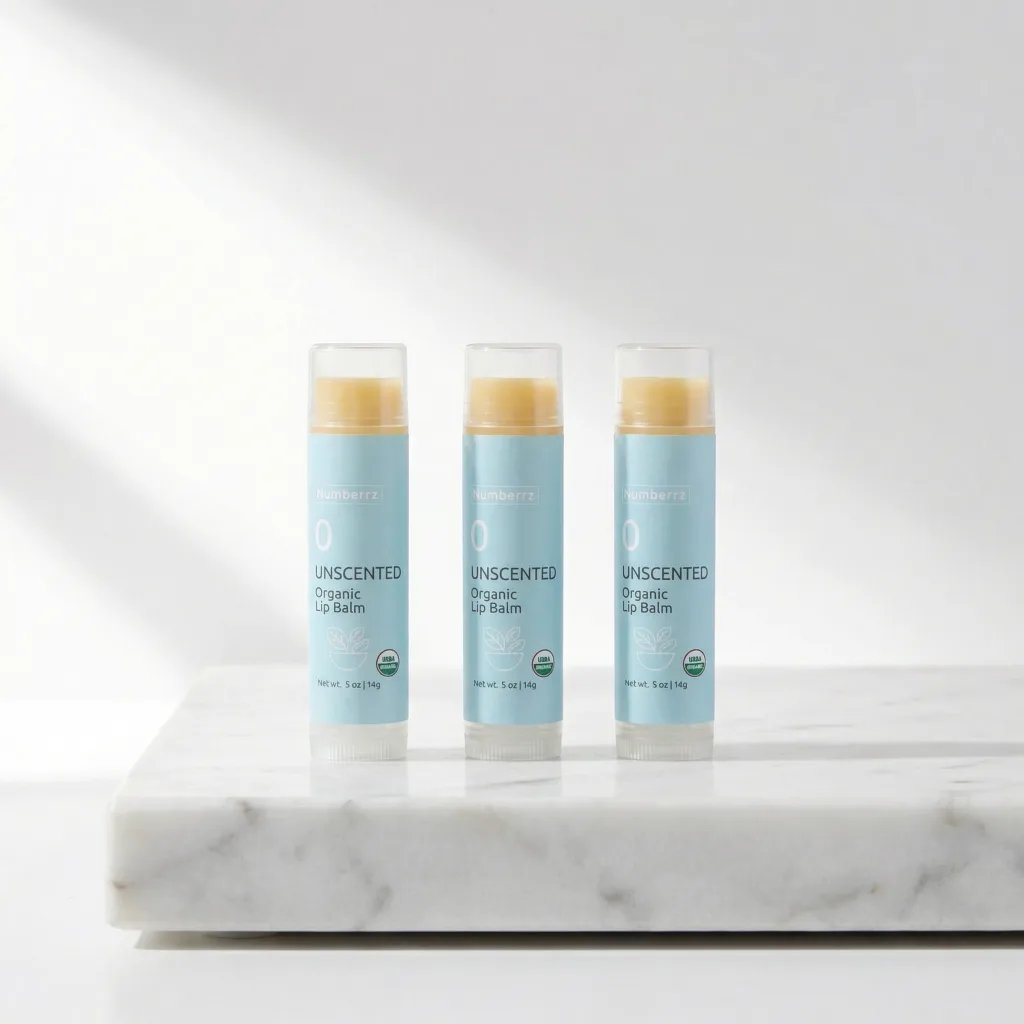
Numbrrrz Organic Lip Balm

Numbrrrz

Organic Lip Balm

Ingredients4
Flagged0
Safety Score10/10
Shop Numbrrrz Instead

Get Your Free Ingredient Safety Report

Enter your email and we'll send you a personalized breakdown of the most common harmful ingredients in your daily products.

Safe Alternatives

vegetable glycerin
hyaluronic acid
aloe vera
honey
sodium PCA

What Numbrrrz Uses Instead

Numbrrrz uses organic coconut oil and organic jojoba oil for natural moisture retention without synthetic humectants or penetration enhancers like propylene glycol.

FAQ

Is propylene glycol the same as antifreeze?
Propylene glycol is used in some antifreeze formulations, but it is not ethylene glycol, which is the toxic compound in most antifreeze. Propylene glycol is less toxic but is still a synthetic chemical that can irritate skin.
Why is propylene glycol concerning as a penetration enhancer?
When propylene glycol helps other ingredients penetrate the skin more deeply, it doesn't discriminate between beneficial and harmful ingredients. If a product contains any questionable chemicals, propylene glycol can increase your body's absorption of them.
Can propylene glycol cause skin irritation?
Yes. Propylene glycol is a known skin irritant and sensitizer at concentrations above 2%. It can cause redness, itching, and contact dermatitis. The American Contact Dermatitis Society named it the Allergen of the Year in 2018 to raise awareness about its sensitizing potential.
Is propylene glycol safe in lip balm?
While the FDA considers propylene glycol generally recognized as safe, its role as a penetration enhancer is concerning in lip products. It can increase absorption of other ingredients through the thin lip skin, and lip products are partially ingested throughout the day.
What are other names for propylene glycol on labels?
Look for '1,2-propanediol,' 'propane-1,2-diol,' 'methyl ethyl glycol,' or simply 'PG' on ingredient labels. It appears in a wide range of products from lip balms to moisturizers to food items.
Does Numbrrrz use propylene glycol?
No. Numbrrrz lip balms contain no propylene glycol or synthetic penetration enhancers. Our organic coconut oil and jojoba oil provide natural moisture without the need for synthetic humectants or chemical delivery systems.

Skip the Propylene Glycol. Choose Numbrrrz.

Four organic ingredients. Zero toxins. The lip balm your body deserves.