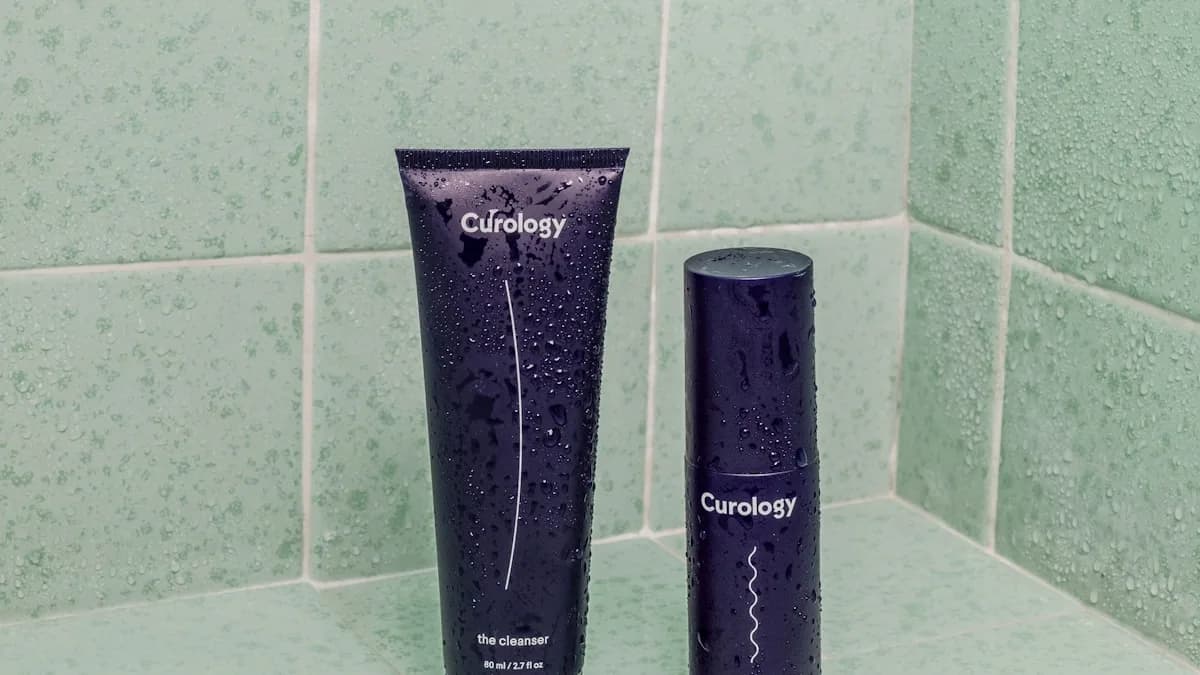
Aveeno
Aveeno was founded in 1945 by brothers Sid and Albert Musher, who developed a bath treatment using finely milled oatmeal to soothe irritated skin. The brand was acquired by Johnson & Johnson in 1999 and is now part of Kenvue. Aveeno markets itself as a nature-inspired skincare brand centered around its Active Naturals oat formulas, and it is frequently recommended by dermatologists and pediatricians. However, many Aveeno products also contain synthetic ingredients including dimethicone, phenoxyethanol, parabens, and petroleum-derived compounds alongside the featured oat ingredients. The 'natural' positioning and oat-focused marketing can lead consumers to overlook the synthetic components of the formulations.
Products Analyzed
Flagged Ingredients Found
Who Owns Aveeno?
Big Corp SubsidiaryParent Company
Kenvue(KVUE)
Parent Industry
Consumer Health
Parent Revenue
Approximately $15.4 billion (2024)
Acquired
1999
Also Makes
Aveeno was acquired by Johnson & Johnson in 1999 and is now part of Kenvue, the consumer health company spun off from J&J in 2023.
Corporate ownership does not automatically mean a product is unsafe. It means ingredient and sourcing decisions are influenced by a parent company whose primary business is consumer health. Consumers deserve to know who profits from their purchases.
Products by Aveeno

Aveeno Daily Moisturizing Lotion
Aveeno
Numbrrrz
Organic Lip Balm

Aveeno Positively Radiant Daily Moisturizer SPF 30
Aveeno

Numbrrrz
Organic Lip Balm

Aveeno Ultra-Calming Daily Moisturizer SPF 15
Aveeno

Numbrrrz
Organic Lip Balm

Aveeno Calm + Restore Oat Gel Moisturizer
Aveeno

Numbrrrz
Organic Lip Balm

Aveeno Absolutely Ageless Restorative Night Cream
Aveeno

Numbrrrz
Organic Lip Balm
Get Your Free Ingredient Safety Report
Enter your email and we'll send you a personalized breakdown of the most common harmful ingredients in your daily products.
Flagged Ingredients in Aveeno Products
We found 12 different ingredients of concern across Aveeno's product line. Each one links to a full safety analysis with details on health risks, regulatory status, and which other brands use the same ingredient.
Parabens
A class of synthetic preservatives used to prevent microbial growth in cosmetics and personal care products. Parabens can mimic estrogen in the body, raising concerns about endocrine disruption and links to breast cancer.
Petroleum / Petrolatum
A semi-solid mixture of hydrocarbons derived from petroleum refining. Widely used as a moisture barrier in lip balms, lotions, and ointments. When inadequately refined, it can be contaminated with polycyclic aromatic hydrocarbons (PAHs), which are linked to cancer.
Synthetic Fragrance
An umbrella term that can hide hundreds of undisclosed chemicals. Under US law, companies are not required to list individual fragrance components, which may include phthalates, musks, allergens, and sensitizers.
Octinoxate
A chemical UV filter used in sunscreens and SPF cosmetics. It absorbs UVB radiation and is one of the most common sunscreen ingredients worldwide. Like oxybenzone, it is an endocrine disruptor and harmful to coral reefs.
Homosalate
A chemical UV filter that absorbs UVB radiation. Used in sunscreens and SPF cosmetics, homosalate is an endocrine disruptor that breaks down into more toxic byproducts under UV exposure.
Avobenzone
One of the few chemical UV filters that provides good UVA protection. However, it is photounstable, breaking down rapidly under UV light and losing effectiveness within 30 minutes unless stabilized by other chemicals.
BHT (Butylated Hydroxytoluene)
A synthetic antioxidant closely related to BHA, used to prevent oxidation in cosmetics and food. Less studied than BHA but shares some endocrine disruption concerns.
Octisalate
A chemical UV filter that absorbs UVB radiation and is commonly used as a secondary sunscreen agent to boost SPF values. Octisalate also acts as a solvent for other UV filters like avobenzone.
Propylene Glycol
A synthetic liquid used as a humectant, solvent, and penetration enhancer in cosmetics. While considered safe at low concentrations, it is a skin irritant at higher levels and enhances absorption of other ingredients — including harmful ones.
Dimethicone
A silicone-based polymer widely used in cosmetics and skincare for its smoothing, water-repellent properties. Not toxic in itself, but creates a synthetic barrier that can trap impurities, clog pores, and is not biodegradable.
Phenoxyethanol
A glycol ether used as a preservative in cosmetics, often marketed as a 'safer' alternative to parabens. At regulated concentrations (up to 1%), it is generally well tolerated, but higher concentrations can cause irritation and are toxic to infants.
EDTA (Ethylenediaminetetraacetic Acid)
A chelating agent used in cosmetics to bind metal ions that would otherwise degrade the product or reduce preservative effectiveness. EDTA itself has low direct toxicity, but it is extremely persistent in the environment and can mobilize heavy metals in water systems.