Free Shipping on Orders Over $50 | 4 Ingredients. Nothing Else.Shop Now

Ingredient Analysis

Ceteareth-20

Also known as: ceteareth-20, ceteth-20, steareth-20, PEG-20 cetyl/stearyl ether, polyoxyethylene cetyl/stearyl ether

An ethoxylated fatty alcohol used as an emulsifier and surfactant in creams, lotions, and other cosmetic formulations. Like all ethoxylated compounds, ceteareth-20 may be contaminated with 1,4-dioxane (a probable carcinogen) and ethylene oxide (a known carcinogen) from the manufacturing process.

Hazard Score
5
Moderate Concern

1 = low concern, 10 = avoid

Risk by Usage Frequency

How risk changes depending on how often you use products containing Ceteareth-20.

1-2x per week

Low risk from incidental exposure in a single product.

Daily use

Daily use of products with ethoxylated emulsifiers contributes to cumulative carcinogen contaminant exposure.

2+ times daily

Moderate concern. Multiple ethoxylated products compound trace carcinogen exposure over time.

Health Risks

May contain 1,4-dioxane as a manufacturing contaminant, a probable human carcinogen.

EPA — 1,4-dioxane classified as likely carcinogenic to humans

May contain ethylene oxide residues, a known human carcinogen (IARC Group 1).

IARC Monographs — Ethylene oxide

Functions as a penetration enhancer, increasing absorption of other formulation ingredients through the skin.

Global Regulatory Status

How ceteareth-20 is regulated in cosmetics and personal care products around the world.

Allowed in 11
🇺🇸USA
Allowed
🇪🇺EU
Allowed
🇬🇧UK
Allowed
🇨🇦Canada
Allowed
🇯🇵Japan
Allowed
🇰🇷S. Korea
Allowed
🇦🇺Australia
Allowed
🇨🇳China
Allowed
🇧🇷Brazil
Allowed
🇮🇳India
Allowed
🌏ASEAN
Allowed

Why Brands Use Ceteareth-20

Effective oil-in-water emulsifier that creates stable, creamy formulations. Helps blend oil and water phases and improves product texture.

1

products in our database

1

brands use it

3

product categories

Better alternatives exist. Brands choose ceteareth-20 because it's cheap and effective, but safer options like cetearyl olivate/sorbitan olivate (Olivem 1000), glyceryl stearate (non-ethoxylated), beeswax deliver similar results without the health concerns.

Ceteareth-20 in Product Categories

Click a category to see every product containing ceteareth-20 in that category, with full ingredient breakdowns.

Products Containing Ceteareth-20

These popular products list ceteareth-20 in their ingredient labels. Tap any card to see the full ingredient breakdown and safety analysis.

Found in 1 product across 1 brand

The Worst Offender vs Numbrrrz

Here's how the lowest-scoring product containing ceteareth-20 compares to Numbrrrz.

View full ingredient analysis for Neutrogena Rapid Wrinkle Repair
Neutrogena Rapid Wrinkle Repair
Neutrogena Rapid Wrinkle Repair

Neutrogena

Ingredients18
Flagged7
Safety Score4/10
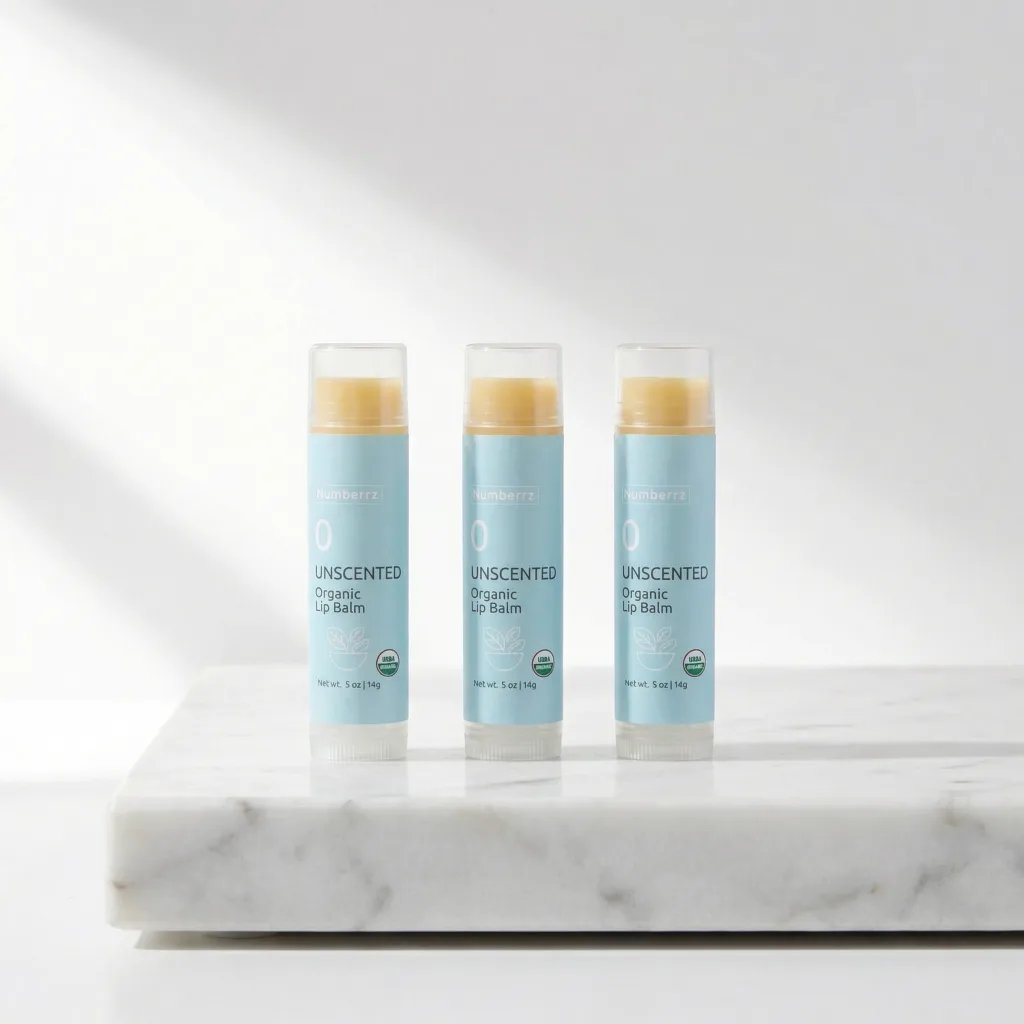
Numbrrrz Organic Lip Balm

Numbrrrz

Organic Lip Balm

Ingredients4
Flagged0
Safety Score10/10
Shop Numbrrrz Instead

Get Your Free Ingredient Safety Report

Enter your email and we'll send you a personalized breakdown of the most common harmful ingredients in your daily products.

Safe Alternatives

cetearyl olivate/sorbitan olivate (Olivem 1000)
glyceryl stearate (non-ethoxylated)
beeswax
lecithin

What Numbrrrz Uses Instead

Numbrrrz uses zero ethoxylated ingredients. Our lip balms use beeswax as a natural emulsifier — no ceteareth-20, no ethoxylation process, and no 1,4-dioxane contamination risk.

FAQ

What does the number in ceteareth-20 mean?
The number indicates the degree of ethoxylation — how many ethylene oxide units were added during manufacturing. Higher numbers mean more ethoxylation and potentially more contamination with ethylene oxide and 1,4-dioxane.
How do I identify ethoxylated ingredients?
Look for 'eth' in the ingredient name (ceteareth, laureth, steareth), PEG-prefixed compounds, or any ingredient ending in '-oxynol.' All of these undergo ethoxylation and may carry 1,4-dioxane contamination.
Is ceteareth-20 safe in skincare?
Ceteareth-20 itself has low direct toxicity, but it may be contaminated with ethylene oxide (IARC Group 1 carcinogen) and 1,4-dioxane (probable carcinogen) from the ethoxylation manufacturing process. Since US regulations do not require testing for these contaminants, the risk is real.
Is 1,4-dioxane in ceteareth-20 listed on labels?
No. 1,4-dioxane is a manufacturing contaminant, not an intentional ingredient, so it never appears on product labels. The only way to avoid it is to avoid ethoxylated ingredients entirely, or choose brands that voluntarily test for and remove 1,4-dioxane through vacuum stripping.
What are safer alternatives to ceteareth-20?
Non-ethoxylated emulsifiers like cetearyl olivate (from olive oil), glyceryl stearate, beeswax, and lecithin provide excellent emulsification without the 1,4-dioxane contamination risk. These plant-derived options are standard in clean beauty formulations.
Does Numbrrrz use ceteareth-20 or ethoxylated emulsifiers?
No. Numbrrrz uses zero ethoxylated ingredients in any product. Our lip balms use beeswax as a natural emulsifier — no ethoxylation process and no 1,4-dioxane contamination risk.

Skip the Ceteareth-20. Choose Numbrrrz.

Four organic ingredients. Zero toxins. The lip balm your body deserves.