Revlon
Revlon was founded in 1932 by Charles Revson, his brother Joseph, and chemist Charles Lachman, starting with a single nail enamel product. The company grew into one of the world's most iconic cosmetics brands, known particularly for its lipsticks. Revlon filed for Chapter 11 bankruptcy in June 2022 and was subsequently acquired by Revlon's largest creditor group, emerging from bankruptcy in 2023. Revlon's Super Lustrous Lipstick, launched in 1952, remains one of the best-selling lipsticks in history. Many Revlon lip products contain synthetic dyes, petroleum derivatives, BHA, BHT, and parabens, representing a conventional cosmetics formulation approach that prioritizes color payoff and longevity over ingredient purity.
Products Analyzed
Flagged Ingredients Found
Who Owns Revlon?
PE / VC BackedParent Company
Revlon, Inc.
Parent Industry
Beauty & Cosmetics
Revlon filed for Chapter 11 bankruptcy in June 2022 and emerged in 2023, now controlled by its former creditors. The company is no longer publicly traded in its previous form and its ownership structure is held by private investors and creditor groups.
Corporate ownership does not automatically mean a product is unsafe. It means ingredient and sourcing decisions are influenced by a parent company whose primary business is beauty & cosmetics. Consumers deserve to know who profits from their purchases.
Products by Revlon

Revlon Super Lustrous Lipstick
Revlon
Numbrrrz
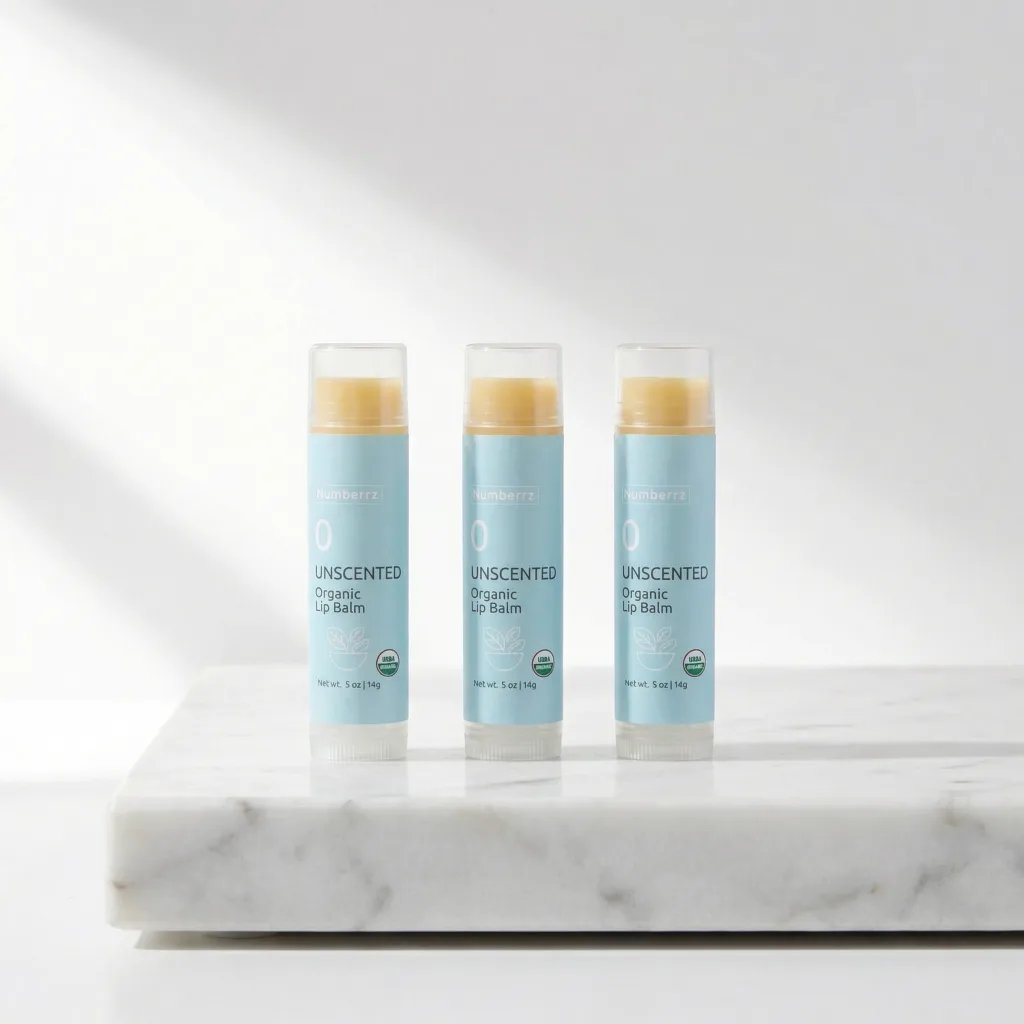
Organic Lip Balm

Revlon ColorStay Overtime Lipcolor
Revlon

Numbrrrz
Organic Lip Balm

Revlon Ultra HD Matte Lipcolor
Revlon

Numbrrrz
Organic Lip Balm
Revlon Kiss Plumping Lip Creme
Revlon

Numbrrrz
Organic Lip Balm

Revlon Super Lustrous Lip Gloss
Revlon

Numbrrrz
Organic Lip Balm
Get Your Free Ingredient Safety Report
Enter your email and we'll send you a personalized breakdown of the most common harmful ingredients in your daily products.
Flagged Ingredients in Revlon Products
We found 10 different ingredients of concern across Revlon's product line. Each one links to a full safety analysis with details on health risks, regulatory status, and which other brands use the same ingredient.
Synthetic Fragrance
An umbrella term that can hide hundreds of undisclosed chemicals. Under US law, companies are not required to list individual fragrance components, which may include phthalates, musks, allergens, and sensitizers.
Petroleum / Petrolatum
A semi-solid mixture of hydrocarbons derived from petroleum refining. Widely used as a moisture barrier in lip balms, lotions, and ointments. When inadequately refined, it can be contaminated with polycyclic aromatic hydrocarbons (PAHs), which are linked to cancer.
Polyethylene Glycol (PEG Compounds)
A family of petroleum-derived compounds used as emulsifiers, thickeners, solvents, and penetration enhancers. PEGs themselves are relatively low-toxicity, but they are frequently contaminated with ethylene oxide (a known carcinogen) and 1,4-dioxane.
Artificial Colors
Synthetic dyes derived from petroleum or coal tar, used to give cosmetics vivid colors. Many are contaminated with heavy metals and have been linked to behavioral issues, allergies, and potential carcinogenicity.
Menthol
An organic compound derived from mint or synthesized artificially. Like camphor, it provides a cooling sensation in lip products but acts as an irritant that can dry out and damage the delicate lip barrier.
Paraffin Wax
A white or colorless soft solid wax derived from petroleum, coal, or oil shale. Commonly used in lip balms, lipsticks, and candles to add structure and a smooth texture.
BHT (Butylated Hydroxytoluene)
A synthetic antioxidant closely related to BHA, used to prevent oxidation in cosmetics and food. Less studied than BHA but shares some endocrine disruption concerns.
Bismuth Oxychloride
A synthetic inorganic pigment used in mineral makeup, eyeshadows, and face powders to create a pearlescent, luminous finish. While generally considered low-toxicity, bismuth oxychloride is a common cause of skin irritation and itching, particularly in mineral makeup users.
Dimethicone
A silicone-based polymer widely used in cosmetics and skincare for its smoothing, water-repellent properties. Not toxic in itself, but creates a synthetic barrier that can trap impurities, clog pores, and is not biodegradable.
Polybutene
A synthetic polymer derived from petroleum, used as a thickener, binder, and viscosity-increasing agent in lip glosses, lipsticks, and other cosmetics. Polybutene has low direct toxicity but is a petroleum-derived synthetic with environmental persistence concerns.